




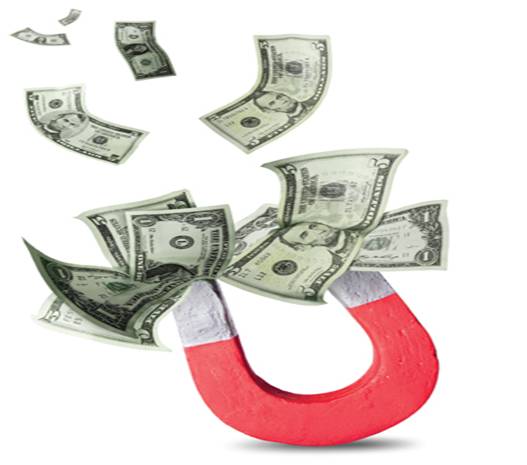


Ten steps to widespread adoption of free markets offering competition on healthcare price and value.
Ten steps to widespread adoption of free markets offering competition on healthcare price and value.

By empowering physicians with evidence-based guidelines, they are better-equipped to make clinical decisions that are cost-effective and drive high-quality outcomes.

The patient should see a friend in his doctor, not a stranger with a white coat and a stethoscope.

Lectures don’t work to motivate patients because the use of guilt and threats are horrible motivators. The same goes for doctors.

Physicians and their pain patients will continue to suffer such inconveniences, insults and financial burdens, until the epidemic of opioid overdoses ends.

Access isn’t just a question of overcoming the hurdle of being seen by a provider, but being seen by someone with the level of expertise required for the best clinical outcome.

Don’t be fooled. When mergers occur, patients and physicians lose; executives at the top are the only ones who truly win.

It stands to reason that the best way to deal with unaffordable healthcare isn’t to take a second mortgage out on the house, but to make healthcare more affordable.
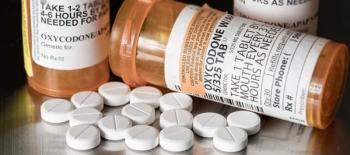
For the White House to meet its goals on stopping the nation’s opioid crisis, there are some practical steps to put in place first.

It’s time for physicians to re-read the Hippocratic Oath and Oath of Maimonides to ensure the future of medicine.

Why should hospitals get a special tax exemption when other healthcare entities that offer more affordable care, like physician offices and independent labs, don't?

The first-place winner of the 2018 Physician Writing Contest urges her peers to look at the motivating fears behind patient visits for clarity.

The second-place winner of the 2018 Physician Writing Contest reflects on various ways doctors can be present for their patients.
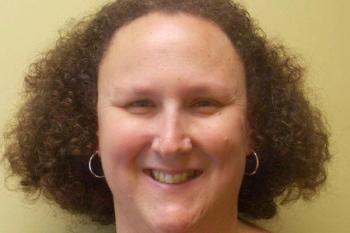
The third-place winner of the 2018 Physician Writing Contest learned three key lessons in interacting with one of her patients, Rebekah.

Presenting price estimates can provide practices with an opportunity for greater outreach to current and potential patients.

You truly have to walk a mile in a patient’s shoes to find out the true barriers to improving their well-being.
The Joint Commission’s “misconceptions” on pain just don’t make sense as many see it as the key to today’s opioid crisis.

Physicians are willing and able to care for the underserved, the needy, and the vulnerable, but are being replaced by lesser trained providers to save money.

Here’s one prescription you might not mind writing-one for fresh fruit and vegetables.

Value-based care and related metrics are one more thing physicians don’t need to deal with. Here are three possible solutions to make things easier.

Internists urge focus on non-medical factors to truly drive patient improvement, promote health equity
One physician offers advice to peers to make value-based care work at private practices, and perhaps even see financial gains.

For every billing error, there’s a potentially easy solution.

Healthcare can learn to streamline billing from payment processing tools used in other industries.
When it comes to reviews of physicians on platforms like Yelp, the customer is not always right.