








Physicians, just like the patients we serve, are facing an unprecedented emotional burden from the COVID-19 pandemic.
Physicians, just like the patients we serve, are facing an unprecedented emotional burden from the COVID-19 pandemic.

From influenza to COVID-19, televisits are an increasingly valuable tool in the fight against the spread of infection

How concierge physicians give back to patients during these challenging times.

You don’t need a lecture about what to do and not to do with your money. What you need is a survival guide.

By focusing on communication and conveying information clearly and with compassion, physicians can bring the human touch to treatment that builds lasting relationships with patients.

Potential pitfalls physicians need to know about.

Lawmakers should support what 91 percent of Americans want, despite how much money they get paid to vote otherwise.
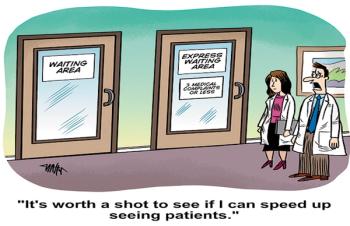
Long wait times have a negative impact on patient satisfaction.

The benefits and challenges of making your practice more health literate

Direct primary care physicians are perfectly positioned to handle the coronavirus outbreak.

There is no easy answer to this dilemma.

New interoperability rules put patients in control of health data and play a key part of broader transparency effort

Physicians will need telehealth during the coronavirus outbreak, especially senior patients.

The multidisciplinary nature of healthcare requires a team approach to effectively navigate risks and opportunities.

The next time you're running late, remember this advice.

Fewer medical students are interested in primary care. Why?

An honorable mention entry in the 2019 contest.

The new year's deductible reset period may offer providers a new opportunity to strengthen the doctor-patient relationship

Life expectancy has decreased among middle-aged adults due to deaths of despair.

The pace of change is accelerating in ways that we haven’t seen before. Here's some predictions for what’s coming our way.

The term “nonprofit” hides what’s really going on.

An honorable mention in the 2019 contest.

An honorable mention in this year's contest.


This year's third-place finisher.