


Pilots at Mass General Brigham and Emory Healthcare show significant reductions in documentation burnout.

Austin Littrell is associate editor of Medical Economics.
Pilots at Mass General Brigham and Emory Healthcare show significant reductions in documentation burnout.


Leading pediatrics group urges protection for infants as RFK Jr. escalates feud over vaccine policy.

Leading pediatrics group urges protection for infants as RFK Jr. escalates feud over vaccine policy.

The top news stories in medicine today.

New randomized trial suggests wearable devices may support resilience and lower burnout odds among physicians.

New platform aims to speed approvals, cut denials and ease physician workload.

Researchers say values-driven listening can strengthen patient trust, improve care and reduce burnout across health systems.


Research shows telehealth increases physician time with patients, raising sustainability concerns for primary care.

New JAMA research undercuts Kennedy’s rationale for dismissing CDC vaccine panel.
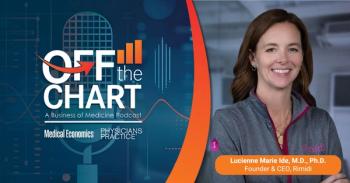
Lucienne Marie Ide, M.D., Ph.D., founder and CEO of Rimidi, joins the show to break down the proposed 2026 Medicare Physician Fee Schedule and what it means for remote patient monitoring (RPM).



In 13M+ EHR notes from a Mid-Atlantic health system, clinicians were more likely to record doubt about Black patients’ sincerity and competency than White patients.

Practical, proven billing improvements — from front-desk diligence to denial prevention — that keep cash flow steady and your revenue cycle running smoothly.


Columbia University researchers identify five measurable dimensions of team creativity that could help primary care practices solve persistent challenges.

Patients’ preferences for physicians’ attire depend on setting, specialty and physician gender, review shows.

The top news stories in medicine today.

Cambridge researchers identify a physical cause for inaccurate cuff-based readings and propose simple fixes that could improve diagnosis rates.

Orthopedic surgeons top the pay scale; pediatricians earn less than half as much.
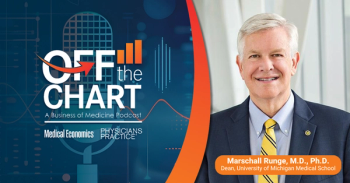
Marschall Runge, M.D., Ph.D., joins the show to talk about what's wrong with U.S. health care — and what we can do about it.

KFF finds most U.S. adults encounter health content on social media, but relatively few believe it’s trustworthy — even as influencers gain traction with younger users.

A Penn Medicine study of over 1 million Yelp reviews finds that administrative hassles and poor communication drive patient dissatisfaction, while kindness and connection still win patients over.

Researchers at Mount Sinai say simple prompts can reduce dangerous hallucinations from artificial intelligence models, but even the best safeguards don’t eliminate the risk.