
Here are three key government mandates taking effect in 2021 that physicians should be preparing for.
Here are three key government mandates taking effect in 2021 that physicians should be preparing for.

Data from the COVID tracking project on coronavirus cases, test results and more.

Russell Libby, MD, says telehealth offers the possibility of easier access to care for patients.

This would make concessions implemented due to the COVID-19 coronavirus pandemic permanent.
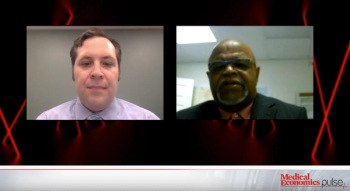
Jon Regis, MD, explains how he set up a virtual office using remote patient monitoring to help his practice thrive during the COVID-19 pandemic and into the future.

CMS is proposing a decrease of $3.83 from last year in the conversion factor used to calculate doctor reimbursement
Data from the COVID tracking project on coronavirus cases, test results and more

Practices must take these steps to ensure they are ready.
Russell Libby, MD, says telehealth has helped practices fill the gap in patient visits and revenue created by the Coronavirus pandemic.

The way forward is to accelerate the evolution of how physicians are paid for providing care

Find out what states ranked from 40 to 31.

A failure to act both by the government and the private sector has left primary care providers particularly vulnerable.

It’s important to have a strategy that addresses how your practice will continue operating in the new COVID-19 world.

CMS and CDC will pay physicians to counsel patients on the importance of self-isolating after a COVID-19 test.

Find out which hospitals made the cut, according to the U.S. News annual list.
Data from the COVID tracking project on coronavirus cases, test results and more.

Telehealth has many benefits, especially during the COVID-19 pandemic.

There may be better ways to treat obesity that are more effective.

Do some research to make sure you find the right match.
Data from the COVID tracking project on coronavirus cases, test results and more.

Leveraging virtual care will change the way many doctors practice medicine.

COVID has brought about new risks for physicians when it comes to malpractice. Make sure you know what they are.
The strategy is aimed at reducing COVID-19 disparities.
There are huge opportunities to transform care in rural areas, but problems remain.

To help physicians keep their clinics running smoothly, there are a few key things to remember when choosing the right ECG for their practice.
Data from the COVID tracking project on coronavirus cases, test results and more.
Not everyone has embraced the technology.

How to prevent legal fallout from staff layoffs.
Data from the COVID tracking project on coronavirus cases, test results and more.
Working out technology issues is important for a positive patient experience.