
How can physicians get started on a profitable remote patient monitoring program?
How can physicians get started on a profitable remote patient monitoring program?
A pandemic means new malpractice risks for physicians. We discuss, on today's Medical Economics Pulse.
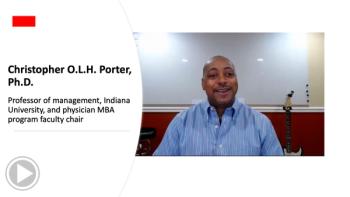
Bad news requires truthfulness and an emphasis on the future.
Start by being present and timely, and avoid spin at all costs.
Look at examples outside your organization to help you find what’s working, and make solid plans for the future.
Having a team that focuses on the “now” and one that focuses on what happens after the pandemic is a good first step.
What business tax prep do physicians need to do now? Find out, on today's Medical Economics Pulse.
What has the COVID-19 pandemic taught us about the role of remote monitoring devices in helping doctors track patient health data and improve outcomes? Josh Claman, CEO of medical software developer Rimidi, discusses the clinical and financial benefits of remote monitoring with Medical Economics editorial director Chris Mazzolini.
When people are suffering at work, it can impact their performance.
Start with trust and seek out people who will be candid with you.
Rarely do leaders find success when working in isolation. You don’t have to do everything yourself.
Exploring the role of primary care physicians in genetic counseling, on today’s Medical Economics Pulse.
COVID has made organizations more complex, and if leaders don’t recognize that, employees and productivity will suffer.
When the very nature of how we do work changes, leaders have to evolve.

Only a co-operative effort between many areas of society can make a difference, but technology still has an important role to play.
How physicians can find moonlighting opportunities, on today’s Medical Economics Pulse.
Their position on the frontlines gives them a unique perspective and a unique role to make a difference.
The pandemic has disrupted access to behavioral health for some, but boosted it for others.
More people are suffering and seeking treatment than before the pandemic.
The opioid problem may have fallen out of the headlines, but the data shows a lot of bad news.

In many cases, a policy will protect a physician, but there are some exceptions to be aware of during the pandemic.
There’s an important strategy to follow if you want to minimize your risk.
In most cases, yes, but there are caveats.

How physicians can find balance between their personal and professional lives.
The riskier a state’s residents, the more vulnerable a practice may be to lawsuits.
Certain practices will need to take extra precautions due to heightened risks.
Cases making their way through the judicial system will offer insight into new areas of risks.
Coronavirus distractions may put your practice at risk.
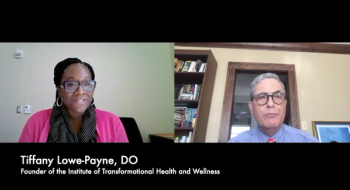
Here’s how you can help patients make the right choices—even when they might not want to

The answer may not be as clear-cut as you think.