

Patients often don’t understand the different levels of training required by practitioners, so organizations often push non-physicians into more roles.
Patients often don’t understand the different levels of training required by practitioners, so organizations often push non-physicians into more roles.
Increasing demands on physician time and not being able to treat all patients takes a toll.

The information blocking rule implemented in April 2021 requires all health care organizations to share patient information.
Early retirements and a declining population of practitioners make staffing difficult.
A bad problem got even worse as the pandemic swept through the country.

What metrics should you use to track whether your practice's marketing plan is working?

Treat the process as an important cog in your revenue generation.
There are about 100 HIEs across the country.
Listen carefully and search for mutual solutions.
Physicians can use HIEs in two ways.
Empathy and financial options go a long way.
How a practice joins an HIE depends on several factors.
Staying on schedule is possible. Here's some tips on how to do it.
Following the same guide for everyone avoids problems.
HIEs can better treat patients with COVID-19.

The cyber threat against healthcare businesses is exploding, and here's what you can do about it, on this week's Medical Economics Pulse.
The average physician interrupts a patient every 11 seconds.

How can medical practices reduce the chance of employees resisting, or successfully suing over, vaccine mandates? Health care attorney Michelle Greenberg explains that the keys lie in explaining vaccine policies clearly, ensuring that all employees understand them, and applying them equally and fairly.
Understanding where a business is spending money is crucial to efficiency and growth.
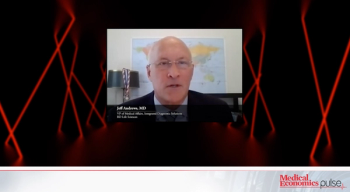
Medical Economics sat down with BD's Jeff Andrews, MD, to discuss this flu season's unique challenges for physicians as the COVID-19 pandemic continues.

We sat down with two financial experts to put today's inflation discussion into context.

One physician's opinion on what may be coming down the road when it comes to health care.

Your overall debt load and interest rate level will help determine the right strategy.
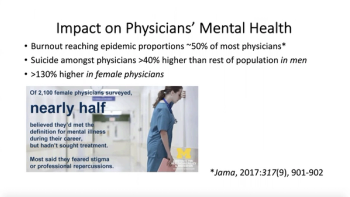
Using the examples of Olympic athletes Simone Biles and Michael Phelps to talk about physician mental health.
Waiting too long to focus on retirement can derail long-term goals.

Samuel Edwards, M.D., discusses his recent study in Health Affairs of why burnout levels differ among primary care practices and what practices can do to reduce burnout among doctors and staff. The study focuses on common traits among practices where burnout is minimal or nonexistent. The study found that these are often small, physician-owned practices where teamwork is emphasized, and where providers have a great deal of autonomy.

How to identify gender bias so you can ensure all patients are cared for equally.

Patient satisfaction is key to running a successful medical business.

The greater affordability of health insurance purchased on the health care exchanges will benefit many patients.
Telehealth makes it easier for patients to receive follow-up care from their physicians.