


Patient Relations
Latest News

Patients trust AI almost as much as their doctors — and the system isn't built for that
By Todd Shryock
Advertisement
Latest Videos



Shorts

0:34
Why we are likely undercounting cyclospora cases
19 days ago
by
Molly O'Shea, M.D.
1:00
Is this a warning sign of dementia?
20 days ago
by
Anna Chodos, M.D.
0:39
What gets lost when vaccines leave your office
20 days ago
by
Sarah C. Nosal, M.D., FAAFP
1:10
What to say when a parent brings in vaccine exemption paperwork
22 days ago
by
Sarah C. Nosal, M.D., FAAFP
1:06
What patients really need from their doctor
22 days ago
by
Molly O'Shea, M.D.
1:21
AAFP's president was asked about spacing out vaccines. Six days later, Trump ordered it.
23 days ago
by
Sarah C. Nosal, M.D., FAAFP
0:31
Stop wasting your practice's marketing budget
24 days ago
by
Amol Nirgudkar
0:34
What to do after a dementia diagnosis
a month ago
by
Anna Chodos, M.D.
0:56
Routine stool tests miss cyclospora. Here’s what to know
a month ago
by
Molly O'Shea, M.D.
1:07
Why patients still can't get in to see you
a month ago
by
Mindy Fortson
Podcasts

CME Content


Advertisement
More News

New survey data shows why real-time support — not personalization or speed — is what actually keeps members loyal to their health plan

What physicians need to know to begin considering malpractice liability with new artificial intelligence technology.

Most physicians know the direct primary care pitch; whether the economics hold up once you're in it is the more difficult question to answer.

Greater availability of the blockbuster drugs does not mean every older patient should get them.

As patient demand outpaces staffed beds and workforce growth, early clinical guidance from nurses is emerging as a way to protect physicians, shorten wait times and stabilize access — especially in rural and safety-net communities.

Patient demand is high, but distinctions are fuzzy about compounded GLP-1s. Primary care physicians can help
Aligning access, revenue cycles and digital engagement can reduce friction, improve transparency and accelerate collections

When patients ask about compounded semaglutide or tirzepatide, practices need a repeatable way to document, triage and react
A dementia expert explains practical screening steps, early warning signs and how to approach the conversation once a diagnosis is made
When the exam you didn't do is still on the chart, it erodes credibility with patients, physicians and payers.

AMGA, lawmakers lead charge against beneficiary pay for chronic care management.

What's written at the point of referral affects how that record holds up later. Here’s what primary care physicians need to know.

New YouGov data rank what patients consider before agreeing to a treatment.
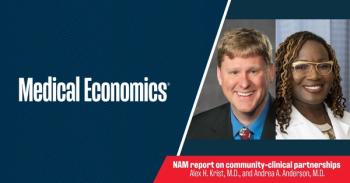
Two family doctors explain a new NASEM report recommending community-clinical partnerships
Lowering drug costs for older adults is a laudable goal, but don’t do it by blocking physician access to needed medicines.

A new national survey finds just 71% of adults under 30 have a primary care physician, and fewer than half of those saw one in the past year.
Could a simple blood test transform how we diagnose Alzheimer's disease? A primer on what primary care physicians should know about blood-based biomarkers right now
Andel is one of a growing number of companies selling brand-name drugs straight to employers, bypassing pharmacy benefit managers and insurers. Medical Economics sat down with founder and CEO Jay Bregman to understand the model and what physicians should keep in mind.

Urban Institute data show 46% of adults aged 18 to 64 faced unmet care needs, unpaid medical bills or medical debt, with even insured families hit hard
An Obesity Action Coalition leader discusses latest developments in treatment of obesity as a chronic disease.

In today's market, you need to do better that just emulating a call center for your patients

Why is independent practice so important to health care? U.S. women’s Health Alliance advocates explain why
The top news stories in medicine this week.
Medication adherence is a persistent challenge in healthcare. Prior auths are making it worse. Can CMS fix the problem?

A new Mass General Brigham benchmark, BRIDGE, found the top-performing AI model struggled on tasks built from electronic health records and patient visits.
Advertisement
Advertisement
Trending on Medical Economics
1
Primary care cuts the financial and human cost of chronic disease. So why isn’t the nation investing in it?
2
McKesson data breach exposes prescribing physicians and their patients to fallout from a third-party attack
3
Lifestyle medicine could be direct primary care's next differentiator, whitepaper says
4
AAFP issues fall vaccine recommendations amid competing guidance
5