


The goal of the new company is to help independent practitioners succeed in consumer-driven health care
Todd Shryock is managing editor of Medical Economics.
The goal of the new company is to help independent practitioners succeed in consumer-driven health care

Having a successful practice is great, but you are probably still leaking money.
Keeping a close eye on cashflow is the only way to guarantee you’re getting the most profit out of your practice.
Having good processes in place is great, but it won’t do you any good if the staff isn’t trained on them.
Patients are more likely to pay if you give them more options.

More than 840,000 people died from overdoses between 1999 and 2019
Don’t let bad processes costs you money.

How much they are responsible for and overall communication are concerns.

Health organizations can better control non-physicians even if money isn’t an issue.
All types of providers are needed for a health care team, but should these teams be led by doctors?
Patients often don’t understand the different levels of training required by practitioners, so organizations often push non-physicians into more roles.
Increasing demands on physician time and not being able to treat all patients takes a toll.
Early retirements and a declining population of practitioners make staffing difficult.
A bad problem got even worse as the pandemic swept through the country.

Treat the process as an important cog in your revenue generation.
Listen carefully and search for mutual solutions.

Medication is the biggest expense for breast, lung, lymphoma, and colorectal cancers
Empathy and financial options go a long way.
Following the same guide for everyone avoids problems.
Create a process that everyone should follow.

Telehealth technical challenges frustrate many patients
Take the right approach to maximize your return.
Increasing retirement and proliferation of non-physician practitioners driving changes

Markets change over time, so don’t let your plan be static.
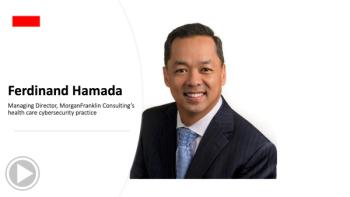
Medical practices and health care organizations have data that hackers value.
What would happen if you couldn’t practice medicine any longer?
A breach can hurt profits and reputation, doing long-term damage.

The physician shortage means doctors face increasing burnout rates, loss of autonomy, and greater financial threats from non-physician practitioners
Physicians who enter practice for the first time often rapidly increase their lifestyle, which can have dramatic consequences for them in the long-term.
Cybercriminal tactics change regularly, so a response plan needs to reflect that.