

Austin Littrell
Advertisement

Austin Littrell is associate editor of Medical Economics.
Articles by Austin Littrell

A reimbursement gap of five to 12 times for the same procedure is letting hospitals outbid private practices for their own physicians. Three U.S. Women's Health Alliance advocates explain what it costs patients and what they are asking Congress to do about it.

The top news stories in medicine today.

CMS wants to cut the conversion factor, rewrite the G2211 add-on into a percentage modifier, halve payment for same-day procedures and put an expiration date on traditional MIPS.


Physicians in eight specialties now clear $500,000 a year, and the distance between the top earners and primary care keeps growing.

The top news stories in medicine today.

Independent medical practices face a hard question as consolidation accelerates: keep going it alone, or find a partner. Ziegler's Andy Colbert breaks down what a practice is really worth and how physicians should weigh their options.
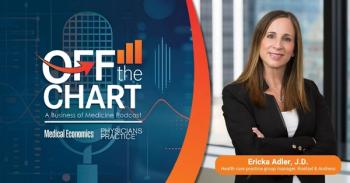
As more physicians weigh a move to concierge or hybrid practices, health care attorney Ericka Adler, J.D., breaks down the contract and Medicare traps that can turn a panel-shrinking strategy into a legal problem.
The top news stories in medicine this week.

Insurers are seeking a median 14% increase for 2027, a jump that would leave typical marketplace premiums more than one-third higher in two years.

New YouGov data rank what patients consider before agreeing to a treatment.

The top news stories in medicine this week.
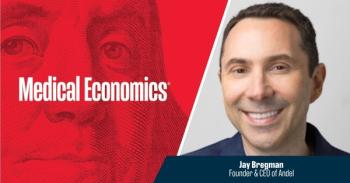
The direct-to-employer model gets GLP-1s to patients without a pharmacy benefit manager or prior authorization, but the discounted price can disappear when a patient leaves the job.
The top news stories in medicine this week.
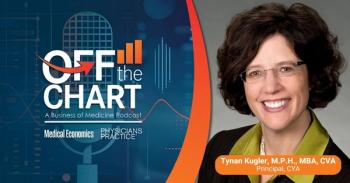
PYA's Tynan Kugler breaks down the four forces pulling physician pay in competing directions, and why getting the underlying compensation model wrong can be expensive and legally complicated to undo.
The top news stories in medicine this week.

For the first time in years, physician pay and productivity have split, and a new Medicare efficiency adjustment is about to make 2026 a hard year to benchmark, schedule and recruit.

The top news stories in medicine today.

Where you set up shop can quietly cost you thousands. These are the states that take the biggest share of residents' income in state and local taxes.
The top news stories in medicine today.
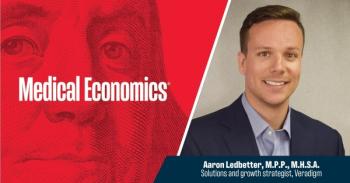
Practices say technology is essential to staying independent but don't fully trust their current tools, and a Veradigm strategist explains the gap.

A new national survey finds just 71% of adults under 30 have a primary care physician, and fewer than half of those saw one in the past year.

Andel is one of a growing number of companies selling brand-name drugs straight to employers, bypassing pharmacy benefit managers and insurers. Medical Economics sat down with founder and CEO Jay Bregman to understand the model and what physicians should keep in mind.
Two new federal programs are opening Medicare and Medicaid coverage for GLP-1 obesity drugs, and Tracy Zvenyach, Ph.D., M.S., RN, of the Obesity Action Coalition explains what it means for primary care physicians and their patients.

Clinical applications are climbing while hires lag behind, and Trent Cotton of iCIMS says the practices that win top talent are the ones that make hiring fast, personal and transparent.
The top news stories in medicine today.
Advertisement
Advertisement
Advertisement
Trending on Medical Economics
1
Most Americans say a pension beats a 401(k), survey finds
2
Physician pay rose across every specialty group in 2026, SullivanCotter survey finds
3
Why AI scribe notes can put your G2211 reimbursement at risk
4
When health is on the line, patients want a human
5