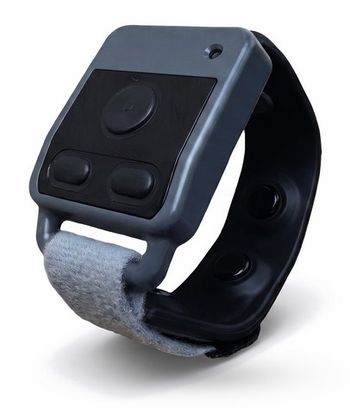
Encora X1, an FDA-cleared wrist device, uses mechanical rather than electrical neurostimulation, giving VA clinicians an option for patients who can't tolerate medication or have implanted electrical devices.
Device designed to deliver faster, more efficient ablation with improved usability
The IDE approval allows the company to broaden its FULCRUM-VT trial to study the safety and effectiveness of its vCLAS Ultra-Low Temperature Ablation Ventricular Ablation System in patients with sustained monomorphic ventricular tachycardia, or SMVT.
Ventricular tachycardia is a fast, abnormal heart rhythm that can be life-threatening and is often difficult to treat with existing ablation technologies, which may struggle to create lesions deep enough to target diseased tissue.
William Stevenson, a professor of medicine and principal site investigator at Vanderbilt University Medical Center, said early experience with the company’s ultra-low temperature ablation technology has shown promising safety and clinical results in patients with ischemic and nonischemic cardiomyopathies.
“We are looking forward to evaluating the next generation of the system, which we anticipate will have improved catheter maneuverability and allow shorter freeze times,” Stevenson said in a statement. “Both factors should reduce procedure times.”
The expanded study includes a prospective, single-arm, multicenter sub-study designed to generate additional safety and efficacy data for the next-generation system. The study will enroll up to 55 patients with scar-mediated SMVT, the same population included in the pivotal phase of the IDE trial.
Alex Babkin, the company’s chief technology officer, said the updated catheter is intended to improve energy delivery, navigation, lesion control and workflow efficiency, while also enhancing manufacturability and scalability.
Chief Executive Officer Todd Usen said the IDE expansion marks a key milestone in advancing the company’s ultra-low temperature ablation platform, with the goal of making ventricular tachycardia treatment more accessible across electrophysiology practices.
Recent advances in catheter ablation technologies are rapidly transforming the treatment landscape for cardiac arrhythmias, particularly complex conditions such as ventricular tachycardia and persistent atrial fibrillation.
One of the most notable trends is the shift toward alternative energy sources beyond traditional radiofrequency ablation. Ultra-low temperature cryoablation systems, such as the one under investigation in the Adagio trial, are designed to create deeper and more durable lesions while minimizing damage to surrounding tissue. These systems may offer improved outcomes in patients with scar-mediated arrhythmias, where reaching deeper myocardial substrates has historically been challenging.
Another major development is the emergence of pulsed field ablation (PFA), a non-thermal technique that uses electric fields to selectively ablate cardiac tissue. PFA has generated significant interest due to its potential to reduce complications such as esophageal injury or pulmonary vein stenosis, which can occur with heat- or cold-based methods. Early clinical data suggest PFA may shorten procedure times and improve safety profiles, particularly in atrial fibrillation ablation.
Advances in imaging and mapping technologies are also playing a critical role. High-density electroanatomic mapping systems now allow electrophysiologists to better visualize arrhythmia circuits and identify critical targets for ablation. Integration with imaging modalities such as MRI and CT is further improving precision, particularly in patients with complex structural heart disease.
In addition, improvements in catheter design — including enhanced flexibility, contact force sensing and real-time feedback — are helping clinicians achieve more consistent lesion formation and procedural efficiency. Automation and workflow optimization tools are also reducing variability between operators and centers.
Together, these innovations are expanding the reach of catheter ablation to broader patient populations while improving safety, efficacy and procedural efficiency. As clinical evidence continues to grow, these technologies are expected to play an increasingly central role in the management of cardiac arrhythmias.