As AI vendors tighten token and credit caps, staff who turn to free chatbots can expose patient data to vendors with no business associate agreement. Eight steps can keep practices protected.
The top news stories in medicine today.
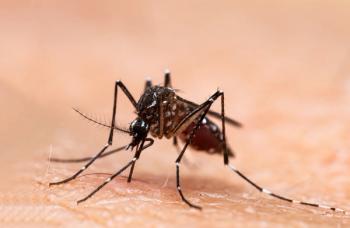
Michigan cases pass 6,000 as the FDA holds to Taylor Farms lettuce, days after a positive test proved a false alarm.
Michigan, the hardest-hit state, reported 6,148 cyclosporiasis cases as of July 20, up more than 1,100 in three days, with 102 hospitalizations and no deaths. National counts run lower and lag behind because the U.S. Centers for Disease Control and Prevention (CDC) tallies only laboratory-confirmed cases: as of July 13 it had confirmed 1,645 across 34 states, with 141 hospitalizations, and was reviewing roughly 5,100 more reports. Counting confirmed and probable cases together, the CDC puts the nationwide total at nearly 7,000 since May 1.
The FDA said its traceback investigation continues to point to shredded iceberg lettuce from Taylor Farms de Mexico, grown in central Mexico and served at Taco Bell locations in Indiana, Kentucky, Michigan, Ohio and West Virginia. The agency
The CDC urges physicians to consider cyclosporiasis in patients with prolonged or relapsing diarrhea, to treat confirmed cases with trimethoprim-sulfamethoxazole and to report them to local health departments; the
Merck's once-daily Lipfendra lowers LDL as much as injectable PCSK9 drugs, at a lower list price.
The FDA approved Lipfendra (enlicitide), the first oral PCSK9 inhibitor, as an adjunct to diet and exercise to lower LDL cholesterol in adults with hypercholesterolemia, including heterozygous familial hypercholesterolemia. Made by
Merck set a list price of $315 for a 30-day supply, below the roughly $500 to $600 monthly list prices of injectable PCSK9 inhibitors, which reach only about 1% of eligible patients, and said primary care physicians can prescribe it.
The approval lands as cholesterol treatment widens: a
Side effects were similar to placebo in the trials, and an outcomes study is underway to determine whether the LDL reduction lowers rates of heart attacks and strokes, as it has for the injectable drugs. Lipfendra will be available within a few weeks, Merck said.
Up to five cups a day, the American Heart Association says, but energy drinks are another matter.
Most adults can safely consume up to 400 mg of caffeine a day, about five 8-ounce cups of coffee, without raising cardiovascular risk, and moderate coffee intake is associated with lower rates of type 2 diabetes, heart disease, stroke, heart failure and some arrhythmias, according to a new American Heart Association (AHA) scientific statement in
The picture is different for energy drinks and concentrated energy shots, which can carry three to four times more caffeine per ounce than brewed coffee and have been linked to high blood pressure and irregular heart rhythms, even in healthy adults under 30.
Adding sugar, cream or flavored syrups may cancel out coffee's potential benefits, the statement notes, and unfiltered coffee such as espresso and French press contains cafestol, a compound that can raise LDL cholesterol.
The AHA said more randomized trials are needed.