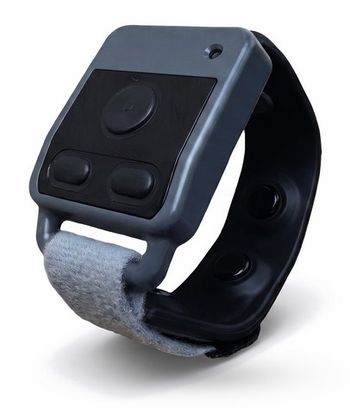
Encora X1, an FDA-cleared wrist device, uses mechanical rather than electrical neurostimulation, giving VA clinicians an option for patients who can't tolerate medication or have implanted electrical devices.
Venture will combine implantable sensing tech with 3D-printed designs
Canary Medical and NanoHive Medical have entered an exclusive partnership to develop smart spinal cages that combine implantable sensing technology with 3D-printed spinal implant designs, the companies announced.
The collaboration will integrate Canary Medical’s implantable sensor platform with NanoHive’s Hive Soft Titanium spinal cage technology, with the goal of giving physicians continuous data on patient recovery, biomechanics and spinal fusion progression following surgery.
The companies said the technology is intended to improve visibility into the recovery process by generating objective data on fusion progression, segment mobility and patient activity, helping clinicians identify complications earlier and tailor rehabilitation plans more precisely.
“Canary Medical was founded on the belief that medical devices should do more than provide structural support — they should be interconnected and collect real-time data from the patient,” said Bill Hunter, founding member, CEO and chief medical officer of Canary Medical, in a statement.
Spinal fusion outcomes remain inconsistent, with nearly half of patients reporting some level of dissatisfaction after surgery, according to published studies cited by the companies. Recovery is typically monitored through periodic imaging and patient-reported symptoms, which provide only limited snapshots of progress.
By embedding sensors directly into spinal interbody fusion cages, the companies aim to create a system capable of delivering longitudinal clinical data throughout recovery. They said the technology builds on Canary Medical’s FDA-cleared smart knee implant platform and expands it into the spinal fusion market.
NanoHive President and CEO Patrick O’Donnell said the partnership marks a step toward more personalized spinal fusion treatment.
“Canary Medical’s leadership in implantable sensing technology makes them the ideal partner as we move into the era of intelligent spine implants,” O’Donnell said in a statement. “This collaboration is an important milestone in delivering patients, surgeons and other spinal fusion stakeholders a tool that generates meaningful — ultimately predictable — clinical data to guide better outcomes.”
The global
The companies said joint development work will begin immediately, with initial efforts focused on design integration, engineering validation and identifying clinical applications. Future updates on development milestones and clinical plans will be announced as work progresses.