








Cell phones can be hacked, but HHS cybersecurity agency offers advice.
Cell phones can be hacked, but HHS cybersecurity agency offers advice.

Hospitals know they need digital solutions, but don’t know the best way forward

DAX Express is first to incorporate OpenAI’s GPT-4 capabilities

Physicians seek best ways to reduce documentation burden that contributes to burnout.

Despite telehealth’s popularity during the pandemic, many still don’t about it and other home health innovations
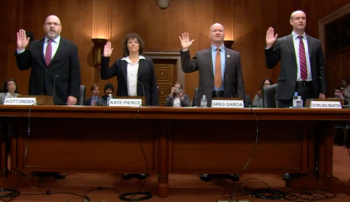
Minimum standards, financial aid for small systems would help, industry experts say.

Realizing the technology’s full potential requires understanding its advantages and challenges

More than 2 million providers exchanged patient data more than 21 billion times in 2022

‘Extortion without encrypting files’ is a growing risk to cybersecurity of medical computer networks.

It’s important to understand current challenges that physician practices are facing with patient collections.

It’s clear the state of PA must change. Artificial intelligence has a role in streamlining administrative tasks.

Even small practices can see gains in revenue, productivity, and morale when employees are allowed to work remotely.

Virtual care can help connect everyone in the country to top-quality doctors

Survey examines patient preferences for online presence, communications, social media.

They add to recent primary care expansions by Amazon, Walmart.

To successfully navigate these turbulent times, physician practices will need to look for ways to increase revenue and decrease costs to help offset losses and increasing expenses.
Internists have largest share of RPM claims; family doctors are third.

Building a foundation for cybersecurity can help physicians avoid costly mistakes.

From AI-powered symptom checking to virtual intake tools, recent technological advances hold promise for enhancing care delivery

Bottlenecks in care have serious implications for hospital operations. Here’s one way to relieve the pressure.

Senator discusses future of cybersecurity in health care

Physicians’ offices are storehouses of patient health, personal, and financial data, so even small practices are targets. Although no computer network is impenetrable, there are ways to bolster cybersecurity and respond to attacks when they happen.

Majorities also worry about speed of technology’s adoption and impact on doctor-patient relationship

RPM use is on the rise — here’s how to choose the best system and take advantage of its many benefits

Because what happens in the doctor's office is only one piece of the puzzle.