







Letters from our readers

Letters from our readers
Eliminate fax machines.

Ensure compliance while maximizing reimbursement and staffing levels at your organization.

A trend of shuttering hospital departments and firing physicians to save money is dangerous and short-sighted.
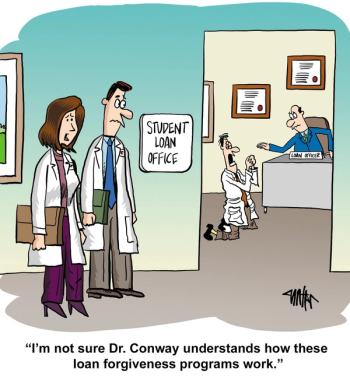
Loan forgiveness programs can prove difficult to navigate.

Doctors risk being blamed for the unknown percentage of patients at risk of addiction and overdose, regardless of what we do, regardless of how prevalent abuse may be in a community.

Physicians are prime targets for scams, with large medical school debt and potential for high salaries

Take this eight-question quiz to determine if your practice is utilizing the latest information on migraine drugs.

Reduce the burden sooner rather than later.
Letters from our readers
If medical debt keeps diverting doctors away from primary care, the projected shortage will grow exponentially.

Breakdowns in communication happen frequently in healthcare. Here’s why as well as some solutions.

Because CMS can’t and Congress won’t get rid of hospital-based facility fees, doctors and patients must take action.

The financial questions to ask before deciding whether to buy a vacation home.

Careful attention to documentation is the key to prevent claims denials for medical necessity.

In an age when people spend more time on mobile phones than ever before, text messaging may be a key solution to patient collections.

In the value-based payment era, the opportunity for greater financial rewards comes with greater risks.

Physicians share the benefits of having nurse practitioners available at their practices to aid both patients and fellow healthcare clinicians.

Sometimes you have to look past dollars and cents and simply do what makes sense for both patients and physicians.
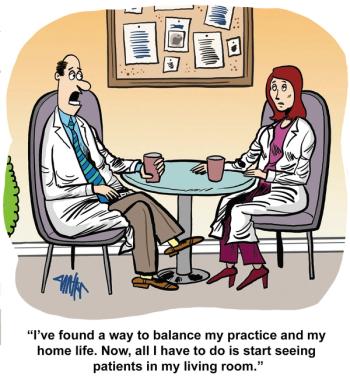
This is one way to achieve work-life balance.

DPC is not only best for doctors and patients, but perhaps an idea that could rescue a system that is dying at the hands of others.

The fact that such a high percentage of physicians are experiencing symptoms of burnout has begun to shift the focus on how this issue is being addressed.

Making a cultural shift in terms of patient payments and bad debt isn’t easy, but it helps both those giving and receiving care.

The evolution of cognitive technology has the potential to transform the way physicians work.

Learn to delegate responsibly to help ease pressure on physicians.