







Despite deep philosophical differences between our two political parties, there is a uniquely American solution to saving Medicaid.

Despite deep philosophical differences between our two political parties, there is a uniquely American solution to saving Medicaid.

Repealing the Stark Law is a good first step, but more must be done to put doctors back in charge of patient care.

By working together, health systems and independent pharmacists can create and sustain long-lasting relationships to benefit patients.

Congress is debating a plan that would have significant effects for a large majority of U.S. medical students.

When it comes to patients struggling with social issues, a little effort on the part of the practice can go a long way.

In order to recruit and retain critical talent, it is essential your workplace shifts its culture to embrace lesbian, gay, bisexual, transgender, and questioning staff members.

Patients-and physicians-deserve much better.

While physicians may prefer to focus their attention on patient care, it’s imperative to carefully analyze expenses and calculate how every business decision can affect overall profitability.

Accurate and complete documentation helps physicians avoid denials.

Frequent use of social media is common, but it can cause some problems in a medical practice setting.
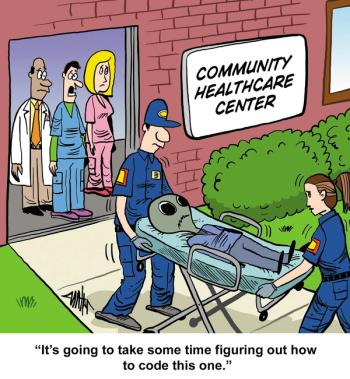
Coding can be out-of-this-world difficult.

When appealing denials, keep these three tips in mind.

Here are some do’s and don’ts when applying these three common modifiers.

Follow these three tips to avoid denials when reporting time-based E/M codes.

Here are four common transitional care management denials and how to avoid them.

Here are four common CCM denials and how to avoid them.

To payers, these visits tell a completely different story about the work that’s required to treat a patient.

Letters from our readers

Here are a number of ways physicians can work with their patients to best overcome cost barriers for their prescriptions.

Looking for professional insight, opinions, and even a little humor from your peers? Start by following these internal medicine docs on Twitter.

Three strategies to overcome burnout and bureaucracy and remain committed to medicine.

Physicians face financial ruin if patients continue to access products they simply cannot afford.
With constant changes in healthcare and how much patients are responsible to pay for their care, practices should turn to technology for assistance.

By empowering physicians with evidence-based guidelines, they are better-equipped to make clinical decisions that are cost-effective and drive high-quality outcomes.

A new study shows that DPC clinicians may have found the key to reducing burnout and returning a focus to patients.