






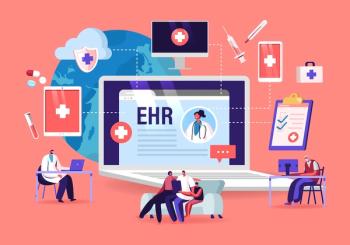
Learn how enhanced interoperability in EHR systems transforms patient care, reduces costs, and improves outcomes across health care settings.

Learn how enhanced interoperability in EHR systems transforms patient care, reduces costs, and improves outcomes across health care settings.

Hidden costs are draining your practice. Here’s where they are — and how to take control.

A new framework uses machine learning and social determinants of health to optimize clinician encounters and reduce care inequities.

Key considerations around selecting the right network partner include what the partner will do with the data, the interoperability partner’s experience and expertise, the quality and the usability of the data it will deliver, and the partner’s financial strength.
Free up your time, cut costs and keep your practice running smoothly — without burning out your team.

Burnout is caused by more than just the EHR

Study finds primary care physicians frequently log into electronic health records during PTO, though longer vacations may help them disconnect.
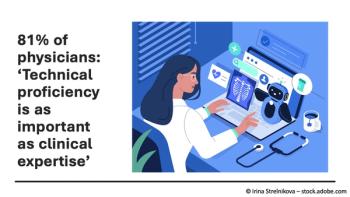
Physicians spend an average of 22 personal hours per month learning about new health care technology, says Sermo survey.

Despite advances in health care information exchange, the flow of data between large hospitals and small care facilities is anything but smooth and seamless.

Artificial intelligence platform can be used in ambulatory care practices.

Researchers find that structured, accessible GOC documentation enhances decision-making and patient care across health care settings.
'Too much information' is sabotaging patient care. Physicians don’t need more data — they need smarter data.

Inexperienced physicians who take longer to answer patient inquiries are better compensated than medical experts who are able to help right away.
Few primary care practices' EHRs can generate reports related to alcohol screening and brief intervention (14%) or alcohol use disorder treatment (5%).

A new report in Annals of Family Medicine urges AI developers to target time-saving AI solutions—and warns against overpromising.

Most people struggle to pull basic information out of standard pathology reports—like whether or not they have cancer.

Physicians don’t need more data — they need smarter data.

Patient challenges could be addressed at the time a provider writes a prescription - if providers and their staff are equipped with the right technology and information.

Here are three strategies to face the dual challenge of improving patient health while controlling costs.

A majority of surveyed physicians have already seen benefits of AI and believe in its continued improvement.

The ACP calls for reduction in low-value EHR alerts in a recent position statement.

Distributed technology for provider credentialing and patient identification can increase access to health care around the globe.

‘We are in a new phase of growth,’ CEO says, as clinicians take to voice-enabled artificial intelligence.
Study suggests a way to use EHRs to develop relationship before patients arrive for an exam.

Blue Shield of California and Salesforce look to grant prior authorization answers in near real-time come January 2026.