

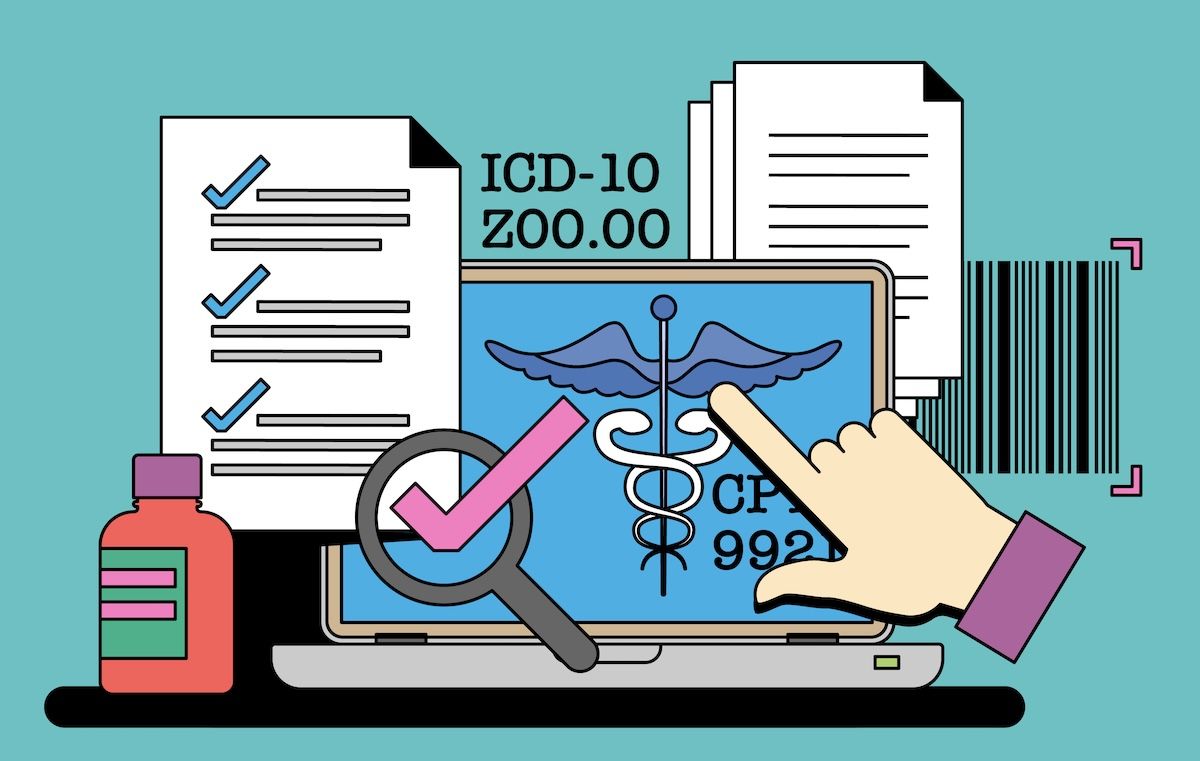




Coding and Documentation
Latest News
Advertisement
Latest Videos





Shorts

0:58
Why primary care physicians are burning out
10 days ago
by
Gary Jacobs

0:43
Why AI scribes worked when diagnostic AI didn't
24 days ago
by
Robert M. Wachter, M.D.

0:31
The hidden reason why patients quit their meds
a month ago
by
Colin Banas, MD, MHA
0:31
How technology can fix patient adherence
2 months ago
by
Colin Banas, MD, MHA
0:32
Why 1 in 4 prescriptions fail
2 months ago
by
Colin Banas, MD, MHA
0:45
Breaking the stigma of medication affordability
2 months ago
by
Colin Banas, MD, MHA
0:36
Why technology can't replace doctors
2 months ago
by
Colin Banas, MD, MHA
0:44
The deadly game of healthcare prior authorizations
2 months ago
by
Colin Banas, MD, MHA

0:43
The perfect use for AI
3 months ago
by
Robert M. Wachter, M.D.

0:42
Why AI scribes pay for themselves
3 months ago
by
Robert M. Wachter, M.D.
Podcasts







Advertisement
More News
G2211 explained: What primary care physicians need to know before their next patient visit
Published: | Updated:
Here’s how to get paid more for managing patient complex conditions over time.

Medicare’s G2211 code has a critical design flaw by applying a primary care fix to specialty care
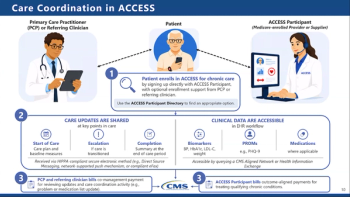
The new 10-year mix of tech, chronic condition management and primary care launches in July.

Both ends of the coding spectrum carry real financial and compliance risk. Structured self-audits are the only way to know where your practice actually stands

Payers quietly downcode claims and underpay physicians. Here are eight revenue leaks to catch before they cut your pay.

Here are 26 coding and documentation tips to save your practice time and money.

Atlas MD co-founder Josh Umbehr, M.D., who has been in direct primary care practice since 2010, explains why he thinks the model is closer to mainstream than most physicians realize.

Health plans are investing heavily in artificial intelligence, but inaccurate provider data create reimbursement friction and avoidable strain on primary care practices

Primary care physicians are drowning in data. Transparent artificial intelligence can synthesize complex biomarkers to give them their time back.

Concrete habits that help primary care physicians close charts in the room, not at 9 p.m.
A Medical Economics and Physicians Practice flash poll, sponsored by Heidi, found physicians split on AI, even as 70% are using or evaluating AI scribes in their practices.

How to take advantage of an underutilized revenue and care quality opportunity hiding in plain sight.

Medicare Advantage accounts for three of the top five administrative burdens facing medical groups, and nearly 95% of practices say the regulatory load has grown over the past three years, according to MGMA's 2026 Regulatory Burden Report.

Physicians who signed on during implementation and never revisited their plan may be paying for tools they've never opened.

Ambient artificial intelligence scribes are the biggest shift in clinical documentation in a generation. Here’s what the evidence actually shows.

UCSF's Robert Wachter, M.D., says ambient AI scribes have done something rare in health care technology: made physicians want more AI, not less.

Shannon Sumner, CPA, CHC, of PYA walks through the compliance risks practices can't afford to ignore and what to do before investigators come knocking.

MIPS expert Holly Black explains the 2026 rule changes, the rise of MVPs and the practical steps small practices can take now to avoid Medicare penalties.

Artificial intelligence is already sitting inside your EHR, revenue cycle tools and phone system. Here’s how to use it on purpose, not on autopilot.

Professionalizing the billing workforce could close critical gaps in fraud prevention and protect billions in health care spending.
Simple, repeatable coding habits can cut down on denials, support compliance and protect your margins in 2026.

These ICD-10-CM codes for winter illnesses and injuries will help maximize reimbursement at your practice during peak flu season.

Revenue loss in primary care is often driven by everyday coding and documentation habits. These seven common mistakes can reduce legitimate reimbursement without physicians realizing it.
Understanding documentation, accuracy and compliance

Laying the foundation for coding success for incident-to billing.
Advertisement
Advertisement
Trending on Medical Economics
1
The 10 best states for health care in 2026
2
The 10 worst states for health care in 2026
3
Cyclosporiasis symptoms, testing and treatment: a primary care guide
4
Why value-based care still hasn't replaced fee-for-service — and maybe never will
5