





Chronic Condition Management
Latest News
Advertisement
Advertisement

Helping patients take the next step on making healthy choices.

When it comes to myths surrounding obesity, the list of misconceptions is as long as the myriad of complications it can cause.

Here are eight of the most costly chronic diseases and conditions, along with three of their biggest risk factors.

There is convincing evidence that counseling interventions improve blood pressure, lipid and fasting blood glucose levels, body weight/adiposity and eating habits. Improvement in these areas will strengthen heart health.

Telehealth has advanced by leaps and bounds in the last year, as medical practices adjust to the COVID-19 pandemic. Virtual visits, remote patient monitoring (RPM), continuous glucose monitoring (CGM) and other tools are helping physicians meet their patients where they are needed.

About two-thirds of COVID-19 hospitalizations across the country are tied to at least one of four different pre-existing conditions.
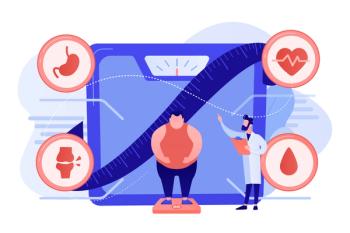
Since 2013, the Obesity Algorithm has undergone yearly updates to help healthcare professionals stay abreast of the latest developments in obesity medicine.
Donald M. Berwick, MD, MPP, the former CMS administrator, discusses cost variation in cancer care found through the digital classification system the COTA Nodal Address.

Patient impact and management tips for physicians

Getting a handle on the pandemic must include efforts to address the obesity and mental health crises as well

A recent survey asked more than 3,000 people to rank the importance of seven common information sources when deciding whether to get vaccinated for COVID-19.

The right way to treat and talk about obesity, on this week’s Medical Economics Pulse.

How physicians are addressing obesity as a chronic condition and helping patients lose weight.

Innovative technology helps patients adhere to their treatment and stay safe during the COVID-19 pandemic.

We’re optimistic about the coming opportunities to move our field forward
The pandemic has underscored the need for speedy access to reliable, effective clinical guidance

Only a co-operative effort between many areas of society can make a difference, but technology still has an important role to play.
Their position on the frontlines gives them a unique perspective and a unique role to make a difference.
The pandemic has disrupted access to behavioral health for some, but boosted it for others.
More people are suffering and seeking treatment than before the pandemic.
The opioid problem may have fallen out of the headlines, but the data shows a lot of bad news.
A perceived lack of support from family and friends can affect a patient’s ability to manage type 2 diabetes.

For people addressing prediabetes, a move to virtual coaching hasn’t eclipsed the powerful pull of community-based programs.

The latest on managing diabetes with Marie E. McDonnell, MD
Advertisement
Advertisement
Trending on Medical Economics
1
Why are claims being denied in 2026? 'Services not covered' now tops the list
2
What health care really costs in retirement
3
What physicians need to know about this flu season — ‘A conversation can go a long, long way’
4
Private equity-acquired hospices had longer stays and higher Medicare spending, study finds
5