






Dexcom G6 Pro gathers real-time glucose data from patients that can be viewed instantly or retroactively
Dexcom G6 Pro gathers real-time glucose data from patients that can be viewed instantly or retroactively

FDA clears Highmark Interactive’s EQ Brain Performance, a gamified mobile neurological testing platform
FDA approves Biovitals Analytics Engine which uses machine-learning and artificial intelligence to correlate multiple vital signs and a heart failure patient’s daily activity

Why primary care physicians should be setting up a screening program.
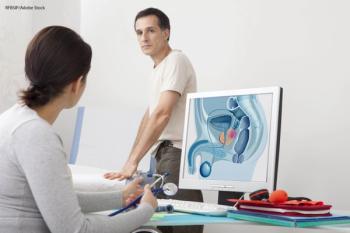
Regular contact with patients is vital for successful treatment.

Smoking is no longer as severe a health crisis it once was, but it’s still one of the most serious health problems in the nation.

An incremental approach to improving outcomes.

If doctors can get the right kind of data at the right time, the information collected from these wearable devices may offer a strong potential for more accurate diagnoses, more personalized treatments, and better outcomes. The question remains, however, how can physicians get and manage the flow of all this new data to actually improve patient care?

While the causes of this STI increase are multi-factorial, some experts say that one of the most influential factors is that primary care physicians are not routinizing sexual health discussions as part of general health screenings.

More than ever, vaccine recommendations are coming with caveats. As vaccines become more targeted, how will this impact the future of recommendations for clinicians?


Besides knowing the service parameters, pay rates and usage requirements for CCM codes, physicians must understand how to effectively bill for CCM in order to profitably achieve that goal.

Anal STIs can be caught with better sexual health screening.

Not every survivor of sexual abuse will openly talk about their experiences. Physicians should tailor their approach to taking a sexual health history with this in mind.

A new study reveals that primary care offices are the best place to receive hepatitis vaccines, but more work is needed to improve timing.

Why treatment requires a multi-pronged approach

Primary care physicians, working in an environment where patients need to be evaluated, monitored, and motivated in short office visits, sometimes struggle to effectively treat patients with diabetes.

The majority of women will experience some kind of heavy or abnormal uterine bleeding at some point in their lives, however that does not mean physicians should treat it as normal

Screening is important because treatment is much more effective the earlier a patient can get on the medication

Cancer is the second most costly medical condition in the United States behind heart disease, and a study presented at the American Society of Clinical Oncology (ASCO) sought to better understand Medicare costs.

There are three aspects to medical financial hardship: material, psychological, and behavioral. They all can impact adherence to physician treatment plans and follow-up care.

Physician leader Atul Gawande believes that as treatment options proliferate for cancer care and other serious illnesses, it will create a new challenge: patient communication about quality of life.

A study presented today at the American Society of Clinical Oncology (ASCO) shows that the type of health insurance and other socio-economic factors influence treatment outcomes for multiple myeloma.

Trends in cancer survivorship, the shift to value-based care are fueling the need to reinvent care delivery models to accommodate this growing segment of the population.

Primary care physicians and oncologists need to better coordinate and communicate as cancer survivorship rates climb, according to a panel at the American Society of Clinical Oncology meeting in Chicago.