

All News
Advertisement
Battling burnout in health care: Do younger doctors and experienced doctors face burnout differently?
Published: | Updated:
The chief medical officer of the Dr. Lorna Breen Heroes’ Foundation discusses the state of health care burnout as of mid-2025.
Advertisement
The chief medical officer of the Dr. Lorna Breen Heroes’ Foundation discusses the state of health care burnout as of mid-2025.

U.S. Preventive Services Task Force recommendations for free screenings, procedures, could have been affected by legal challenge.
Leader of an organization devoted to independent practice describes the state of ownership.

Confidence in federal public health agencies fell sharply from 2020 to 2024 — but Americans’ trust in personal physicians and local health departments has since rebounded to pre-pandemic levels.
Advertisement

How finding the root cause of allergy symptoms can ease burdens on patients, clinicians and the health care system at large.
Vaccines become center of the medical world as ACIP meets to advise CDC.
The chief medical officer of the Dr. Lorna Breen Heroes’ Foundation discusses the state of health care burnout as of mid-2025.

Empatica's EmbraceMini improves clinical trial data with its ultra-compact design, enhancing data collection and patient compliance through an advanced wearable.
Advertisement


A new perspective piece calls on health systems to stop hoarding data and start using it to improve care.
RFK-appointed panel approves vaccines for babies, youths and adults in its first official meeting.

Vaccine supporters say science is on their side, but others want more research and better guidance on getting inoculated against illness.
If we want to remain the global leader in innovation, we need to keep a strong pricing system at home and use trade deals to push our allies to pay their fair share for the medical advances they rely on.
As workplace violence rises, health care facilities must shift from retrofitted tech to frontline-first safety solutions
Rebekah Bernard, M.D., looks at how experts are challenging the burdens of Maintenance of Certification, advocating for physician autonomy and alternative pathways.
A leader of the American Independent Medical Practice Association discusses new AMA findings about the state of private practice physicians.
The chief medical officer of the Dr. Lorna Breen Heroes’ Foundation discusses the state of health care burnout as of mid-2025.

Medical organizations publish open letter to American public as new ACIP panel meets with new members.
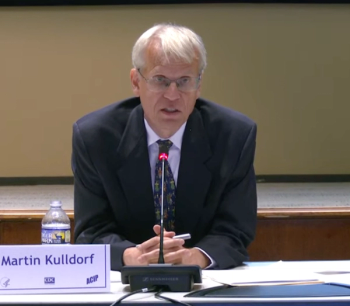
New panel of vaccine reviewers convene first meeting to deliberate on shots against COVID-19, RSV, flu and more.

Compare the potential strategic options for transactions with hospitals, private equity platforms and other health care companies
Innovative payment models — like pay-first and direct primary care — enhance financial stability and patient engagement for independent practices.

Daniel Aaron, M.D., J.D., an associate professor of law at the University of Utah, explains how the American Law Institute’s new standard may gradually influence courts and legislatures across the country.
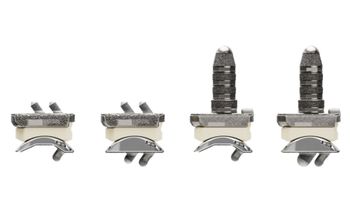
Solution is for patients suffering from severe ankle joint damage due to rheumatoid, post-traumatic, or degenerative arthritis
Battling burnout in health care: What is the current state of the industry?
Published: | Updated:
The chief medical officer of the Dr. Lorna Breen Heroes’ Foundation discusses the state of health care burnout as of mid-2025.
A leader of the American Independent Medical Practice Association discusses new AMA findings about the state of private practice physicians.

Agentic AI comes with a lot of hype, but what can it really do for physicians?
Advertisement
Advertisement
Trending on Medical Economics
1
Russian lab worker's death sparks plague fears; Utah lets AI write first-time prescriptions; FTC warns 24 health systems on hidden prices — Morning Medical Update Weekly Recap
2
How Chicago's first new medical school in nearly a century is training doctors to treat mental and physical health together
3
Why is healthcare spending declining in 2026?
4
Can a safety prompt make AI safer for clinical decisions? Study says yes, partly
5