

The CEO of advocacy group Accountable for Health discusses what ACOs found in Medicare’s massive spending on skin substitutes.
The CEO of advocacy group Accountable for Health discusses what ACOs found in Medicare’s massive spending on skin substitutes.
An advocate discusses how ACOs raised red flags about Medicare spending for skin substitute treatments for patient wounds.

The outlook for medical device manufacturing in 2026

Deal with Robotron Surgical Technologies adds visualization-enabled instruments and AI-focused software roadmap aimed at technology-enabled spine care.
The outlook for medical device manufacturing in the coming year
What physicians and other clinicians need to know about the challenges facing the U.S. blood supply.

There are clear, actionable opportunities for employers to re-engage their physician workforce in ways that are both meaningful and measurable.
CHG Healthcare’s latest survey shows most physicians say they’re satisfied at work, but very few feel truly engaged — a gap that carries real retention risk for practices.

The CEO of advocacy group Accountable for Health discusses what ACOs found in Medicare’s massive spending on skin substitutes.


An explainer of the new initiative to lower costs for patients while reining in pharmaceutical makers, PBMs and insurance companies.

Michigan Medicine analysis of 539 million appointments shows overall volume flat or falling, even in specialties that leaned hardest on virtual care.
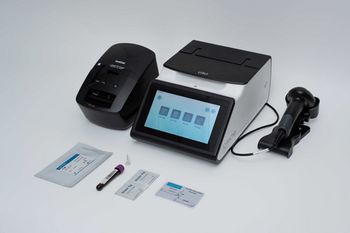
System is the first cartridge-based CBC system to receive a CLIA Waiver from the FDA, allowing it to be used in settings such as physician offices and urgent care centers without the need for a certified laboratory.

The key to a solid investing plan is using tried-and-true methods.

Patients come first instead of insurance, Big Pharma and special interests, president says in statement.

Professionalizing the billing workforce could close critical gaps in fraud prevention and protect billions in health care spending.
An advocate discusses how ACOs raised red flags about Medicare spending for skin substitute treatments for patient wounds.
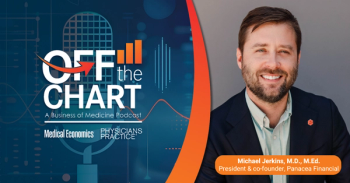
Michael Jerkins, M.D., M.Ed., a practicing physician and co-founder of Panacea Financial, joins the show to discuss financial independence, physician debt and why financial decisions can quietly take control of a physician's time.


CMS tallies annual expenditures that include $1.1 trillion for physician and clinical services.
The outlook for medical device manufacturing in the coming year

Deal launches Heartstream as a standalone company and marks the start of ECH’s global platform strategy in the pre-hospital emergency medical technology market.

The CEO of advocacy group Accountable for Health discusses what ACOs found in Medicare’s massive spending on skin substitutes.

The top news stories in medicine today.

Burnout is a predictable outcome of a system that demands more than it supports.

An overview of code changes that could improve patient outcomes and practice revenues.

Simple, repeatable coding habits can cut down on denials, support compliance and protect your margins in 2026.

Disagreement over vaccine policy prompts a new court case to stop an Advisory Committee on Immunization Practices meeting and decision.

Expandable interbody fusion implant combines the company’s patient-specific OptiMesh platform with a nano-scale hydroxyapatite surface designed to support bone growth and implant integration
The latest America’s Health Rankings report reveals deep regional and socioeconomic divides in population health. These were the least healthy states in 2025.