

How one medical practice is growing and expanding with the help of a third-party vendor.
How one medical practice is growing and expanding with the help of a third-party vendor.

The top news stories in primary care today.

The latest health care technology news.

NIDA study shows significant gender difference, but reasons are uncertain

FDA approves Jardiance and Synjardy for pediatric use.

Plaintiffs say university failed to properly guard bodies of relatives that had been donated for scientific research

Federal laws maintained Medicaid enrollment and made Marketplace plans more affordable for more people.

Study finds doctors more likely to listen to patient preferences if they are white and make at least $75,000 a year
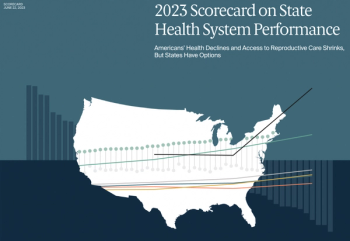
Commonwealth Fund 2023 Scorecard rates access, disparities, outcomes, and suggests solutions.
The top news stories in primary care today.

Congressional subcommittee holds hearings reviewing law’s impact on doctors and patients

U.S. Census Bureau figures show the graying of America.

Bipartisan group of senators, representatives urge regulators to improve process for patients, physicians.

Many medical professionals see an industry in crisis with no solutions in sight

The days of “bad ‘bots” are behind us so put smart virtual assistants to work in your practice to reduce call volume, deliver self-service options to patients and improve operational efficiency.

Median age stays the same in just four of the 50 states as Baby Boomers turn grey.

Today's hospitals and medical practices face the challenge of remaining relevant in an extremely dynamic, competitive, and evolving market.
The top news stories in primary care today.
Analysts ponder potential effects of MedPAC report to Congress.

Meta-study shows better outcomes in states loosening eligibility requirements compared to those that haven’t
President taps internal medicine physician with government experience.

Report shows that despite many obstacles, health care deals are still being pursued by investors

Despite some tumult in the market, tailwinds that have propelled Medicare Advantage popularity persist in 2023. The competitive complexity and changes have far-reaching implications for health care services organizations whose businesses are built on serving this important segment.
The top news stories in primary care today.
Lodoco targets the inflammation that is an underlying cause of atherosclerotic cardiovascular disease. It will be available in the second half of 2023.

Cloud computing has revolutionized how healthcare providers deliver treatment and manage their data.

Primary care continues to be a target for investors

Three-year project aims to set national standards for using new levels of computer learning in health care.

Here’s a look at cost-related non-adherence among select population groups.
The latest health care technology news