


Prior authorizations are a major burden for practices. How can AI and other technology help physicians in the fight?
Todd Shryock is managing editor of Medical Economics.
Prior authorizations are a major burden for practices. How can AI and other technology help physicians in the fight?
Prior authorizations are a major burden for practices. How can AI and other technology help physicians in the fight?
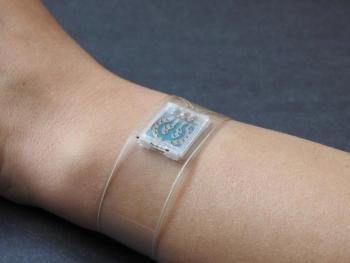
A flexible new wristband developed by engineers at the University of California San Diego could improve how people with diabetes manage their health by continuously monitoring glucose and key cardiovascular signals in real time.
Prior authorizations are a major burden for practices. How can AI and other technology help physicians in the fight?

SK Capital partners with LISI Group to acquire Lisi Medical, enhancing its presence in the life sciences CDMO sector and driving future growth.

ArteraAI Prostate advances prostate cancer treatment with AI-driven insights, enhancing risk assessment and personalizing care for better patient outcomes.

TEAM Technologies enhances its medical device manufacturing capabilities by acquiring Duke Empirical, positioning itself for growth in the cardiovascular sector.
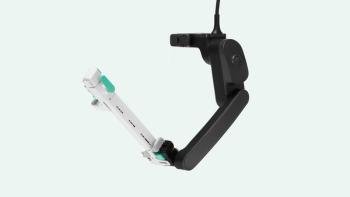
System integrates handheld robotics, real-time ultrasound, and advanced software to help clinicians consistently and accurately place needles during procedures like organ access, biopsies, vascular access, and therapy delivery.

Hider comes from ATS Corp., an automation solutions company
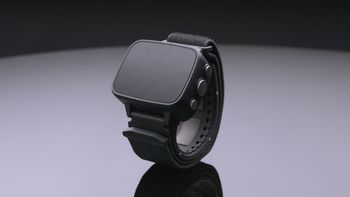
Wristband delivers personalized, adaptive stimulation throughout the day without the need for surgery or drugs
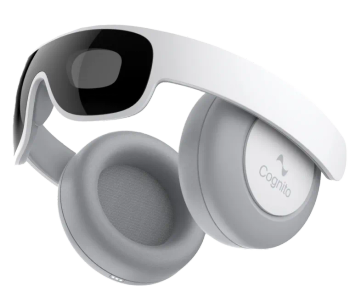
Medical device delivers synchronized light and sound stimulation in their homes daily.

The company that brought you Clippy and Windows Vista now says its AI is smarter than doctors…or at least doctors who have to answer questions with limited resources

A discussion with Plante Moran’s Tammy Schaeffer about why value-based care hasn’t been adopted more quickly

Foldax's TRIA Mitral Valve shows promising one-year results, enhancing patient outcomes and quality of life with innovative polymer technology in heart valve replacement.
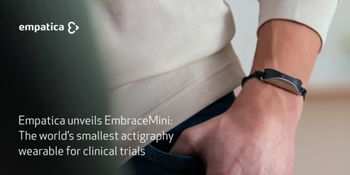
Empatica's EmbraceMini improves clinical trial data with its ultra-compact design, enhancing data collection and patient compliance through an advanced wearable.
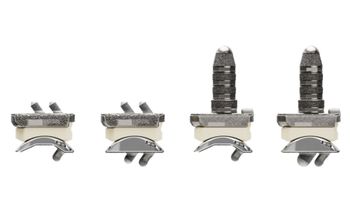
Solution is for patients suffering from severe ankle joint damage due to rheumatoid, post-traumatic, or degenerative arthritis

Agentic AI comes with a lot of hype, but what can it really do for physicians?
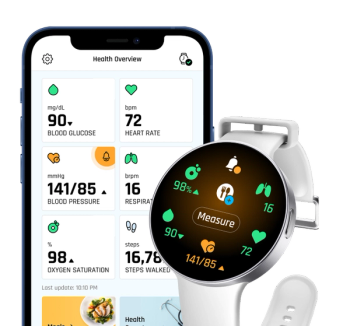
Product eliminates the need for needles, cuffs, and calibration.

Pledge to streamline the process comes amid growing public and government pressure, but the previous industry promises in 2018 accomplished little.
Agentic AI comes with a lot of hype, but what can it really do for physicians?

Voxi 5 delivers continuous flow oxygen at one to five liters per minute in a compact, quiet, and mobile design
Agentic AI comes with a lot of hype, but what can it really do for physicians?
Agentic AI comes with a lot of hype, but what can it really do for physicians?
Agentic AI comes with a lot of hype, but what can it really do for physicians?
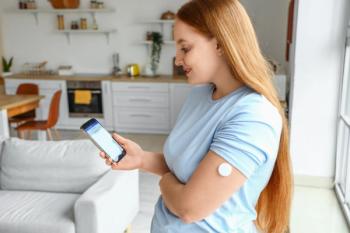
Tandem's t:slim X2 insulin pump now integrates with FreeStyle Libre 3, enhancing personalized diabetes management with real-time glucose data sharing.
Agentic AI comes with a lot of hype, but what can it really do for physicians?
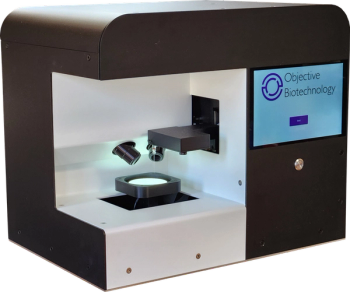
System automates key bottleneck, enabling faster, high-precision gene editing across model organisms
Agentic AI comes with a lot of hype, but what can it really do for physicians?
Agentic AI comes with a lot of hype, but what can it really do for physicians?

DESKi secures $6 million in funding to expand AI-powered cardiac imaging tool