

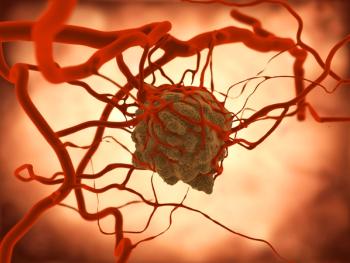
RenovoRx launches the PanTheR study to evaluate the RenovoCath device's long-term safety and effectiveness in treating solid tumors, advancing cancer care.
Todd Shryock is managing editor of Medical Economics.
RenovoRx launches the PanTheR study to evaluate the RenovoCath device's long-term safety and effectiveness in treating solid tumors, advancing cancer care.

The U.S. health care system is a mess. Here’s what needs to change.
The U.S. health care system is a mess. Here’s what needs to change.
The U.S. health care system is a mess. Here’s what needs to change.

Edwards Lifesciences reports robust Q2 growth, raises 2025 guidance, driven by strong TAVR and TMTT sales, enhancing its market leadership.
The U.S. health care system is a mess. Here’s what needs to change.

MeMed BV Flex could revolutionize infection diagnosis, enabling rapid differentiation between bacterial and viral infections in just 15 minutes with a fingerstick test.
The U.S. health care system is a mess. Here’s what needs to change.

FDA's AI tool, Elsa, faces scrutiny for producing unreliable data, raising concerns about its rapid implementation and impact on regulatory accuracy.

GE HealthCare leads in FDA AI-enabled medical device authorizations, showcasing innovation in imaging and diagnostics to enhance patient care and streamline workflows.
The U.S. health care system is a mess. Here’s what needs to change.

Digital asthma program shows sustained benefits in landmark clinical trial
The U.S. health care system is a mess. Here’s what needs to change.

Prior authorizations are a major burden for practices. How can AI and other technology help physicians in the fight?

Takeda introduces HyHub and HyHub Duo, innovative devices simplifying at-home administration of HYQVIA, enhancing patient experience in immune therapy.
Prior authorizations are a major burden for practices. How can AI and other technology help physicians in the fight?
Prior authorizations are a major burden for practices. How can AI and other technology help physicians in the fight?
Prior authorizations are a major burden for practices. How can AI and other technology help physicians in the fight?

New 154,000-square-foot Class A facility aims to address the growing demand for purpose-built life sciences manufacturing infrastructure.
Prior authorizations are a major burden for practices. How can AI and other technology help physicians in the fight?
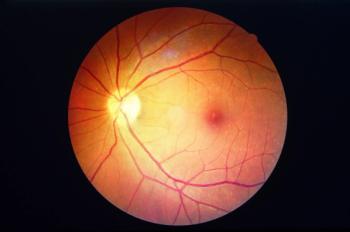
AI-driven retina tracker advances diabetic retinopathy detection, enabling rapid, accurate screenings and expanding access to eye care globally.
Prior authorizations are a major burden for practices. How can AI and other technology help physicians in the fight?

Proximie and HistoSonics collaborate to enhance non-invasive liver tumor treatments, improving patient outcomes and surgical efficiency through advanced technology integration.

Low-income patients face more health insurance denials and are less likely to successfully challenge them compared to higher-income patients
Prior authorizations are a major burden for practices. How can AI and other technology help physicians in the fight?

Caranx Medical's AI software advances TAVI procedures, enhancing precision and accessibility for heart valve surgeries, improving patient outcomes.
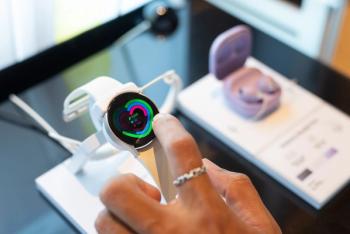
iFIT and Samsung Health unite to deliver personalized fitness experiences through Galaxy devices, enhancing wellness with AI-driven insights and interactive content.
Prior authorizations are a major burden for practices. How can AI and other technology help physicians in the fight?
Flatiron Health leverages AI to extract cancer progression data from EHRs, enhancing oncology research and patient care through advanced data analysis.
Prior authorizations are a major burden for practices. How can AI and other technology help physicians in the fight?