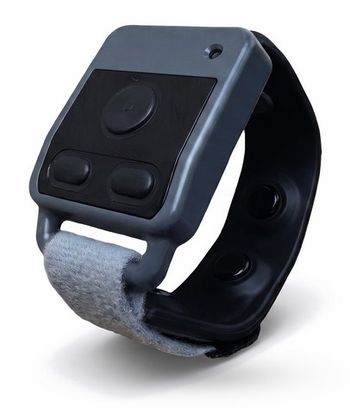
Encora X1, an FDA-cleared wrist device, uses mechanical rather than electrical neurostimulation, giving VA clinicians an option for patients who can't tolerate medication or have implanted electrical devices.
New device aims to address appointment delays, technologist shortages with simplified setup
Zeto Inc. announced that it has received U.S. Food and Drug Administration 510(k) clearance for Zeto New Wave, its newest electroencephalogram system designed for outpatient clinics and home use.
The device features 21 soft-tip, no-mess electrodes placed according to the 10-20 system, paired with a compact recording device with built-in display and controls. The system captures synchronized video and audio, along with optional signals including ECG, EOG, EMG, orientation sensors, external triggers for event-related potentials and integrated photic stimulation detection.
Designed for short-term recordings of up to 2.5 hours, the system is available in adult and pediatric sizes.
"We listened to neurologists' needs and designed a system that helps clinics expand access to EEG, address staffing challenges, and improve patient experience," said Florian Strelzyk, CEO of Zeto.
Patients across the U.S. often wait weeks for EEG appointments, delaying critical answers and care, according to the company. Clinics face shortages of specialized EEG technologists and rely on traditional setups that can be slow and cumbersome.
The FDA clearance marks Zeto's third FDA-cleared device, alongside Zeto WR19 and Zeto ONE. The company released the ONE system in 2024 specifically for intensive care units, emergency departments and patient transport. Both systems run on the Zeto Cloud platform and enable remote access.
Zeto offers EEG solutions for critical and emergency care, academic research, clinical trials and outpatient clinics, and provides AI-powered seizure detection, seizure burden analysis and other quantitative analytics.
The field of electroencephalography has undergone significant transformation in recent years, driven by innovations in electrode design, artificial intelligence integration and accessibility improvements that are reshaping how clinicians monitor brain activity.
Traditional EEG systems have long required extensive preparation time, specialized technologists and bulky equipment that limited their use primarily to hospital settings. Recent technological advances have focused on simplifying the patient experience while maintaining diagnostic accuracy. Modern electrode designs now reduce or eliminate the need for conductive gels and extensive scalp preparation, cutting setup times from 30-45 minutes to as little as 5-10 minutes in some systems.
Wireless and portable EEG devices have emerged as a major trend, enabling ambulatory monitoring that captures brain activity during normal daily activities rather than only in controlled clinical environments. These systems allow patients to undergo extended monitoring periods while maintaining mobility, providing clinicians with more comprehensive data about seizure patterns, sleep disorders and other neurological conditions.
Artificial intelligence has become increasingly integrated into EEG analysis, with machine learning algorithms now capable of detecting seizures, identifying abnormal patterns and quantifying brain activity metrics with growing accuracy. These AI-powered tools help address the shortage of specialized neurophysiologists by providing preliminary analysis and highlighting areas requiring expert review, potentially accelerating diagnosis and treatment decisions.
Cloud-based platforms have enabled remote EEG interpretation, allowing specialists to review studies from any location and providing broader access to expert consultation, particularly benefiting rural and underserved areas. Integration with telemedicine platforms has further expanded the reach of neurological care.
The shift toward value-based care has also driven innovation in cost-effective EEG solutions that maintain clinical quality while reducing equipment costs and technical staffing requirements. These developments are helping expand EEG availability beyond large medical centers to smaller clinics and outpatient settings, addressing longstanding access barriers in neurological diagnostics.