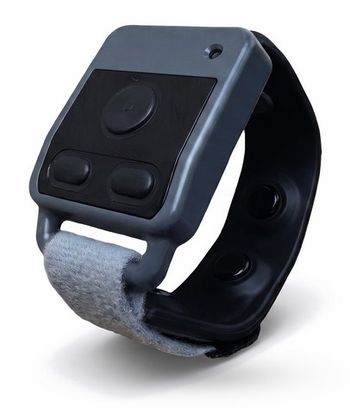
Encora X1, an FDA-cleared wrist device, uses mechanical rather than electrical neurostimulation, giving VA clinicians an option for patients who can't tolerate medication or have implanted electrical devices.
Rapid Medical says its TIGERTRIEVER 25 device is designed to improve clot retrieval in difficult large vessel occlusions, as advances in mechanical thrombectomy continue to expand stroke treatment options
Rapid Medical said it has received U.S. Food and Drug Administration clearance for its TIGERTRIEVER 25 thrombectomy device, expanding its portfolio of tools for treating acute ischemic stroke caused by large vessel occlusion.
The newly cleared device is the latest addition to the company’s TIGERTRIEVER platform and is designed to treat large clot burdens in proximal vessels such as the internal carotid artery and M1 segment, some of the most difficult blockages to address during stroke intervention. According to the company, the device combines a 53 mm capture length with real-time force control that allows physicians to actively manage clot interaction during the procedure.
Edgar Samaniego of the University of Iowa, who performed the first U.S. case using the device, said the system demonstrated “excellent conformability to the vessel anatomy,” allowing it to accommodate vessel diameter changes while maintaining effective clot engagement.
The device’s operator-controlled expansion and distal net are designed to reduce clot fragmentation and distal embolization, two major challenges in mechanical thrombectomy. The company said those features may improve the chances of achieving first-pass success, a key measure in stroke intervention because removing the clot on the first attempt is associated with better patient outcomes.
Demetrius Lopes of Advocate Health Care said the device adds flexibility to the thrombectomy toolkit for physicians treating a range of anatomical and clinical scenarios.
The clearance broadens Rapid Medical’s stroke intervention offerings and follows recent clinical validation of smaller-vessel applications within the same platform. The company said the TIGERTRIEVER 25 is intended to support physicians in treating high clot burden occlusions across a broader spectrum of stroke cases.
Mechanical thrombectomy has become a cornerstone of treatment for acute ischemic
Much of the recent innovation has focused on improving first-pass recanalization rates — the ability to restore blood flow on the first attempt. Newer thrombectomy systems are increasingly designed with larger capture zones, improved flexibility, and enhanced clot integration mechanisms to reduce the risk of clot fragmentation during retrieval. These improvements are especially important in tortuous or narrowed vessels, where traditional stent retrievers may struggle to maintain contact with the clot.
Another major area of advancement is device adaptability. Stroke specialists increasingly need tools that can accommodate a wide range of vessel sizes and clot compositions in real time. Technologies that allow operators to actively adjust radial force or device expansion during a procedure are helping physicians tailor clot retrieval strategies to individual patient anatomy, which may improve procedural efficiency and outcomes.
Clinical research is also pushing thrombectomy into more complex scenarios. Recent studies have shown growing success in treating distal vessel occlusions — smaller, more delicate vessels that historically were considered too risky for intervention. At the same time, improvements in imaging and patient selection are enabling clinicians to identify thrombectomy candidates further out from symptom onset, extending the treatment window for some patients.
Together, these developments are moving