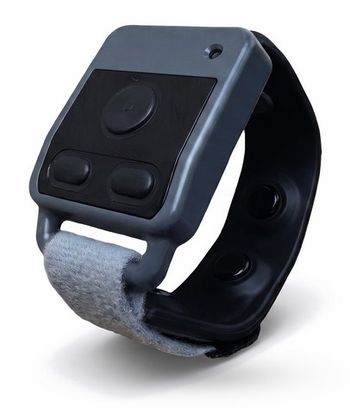
Encora X1, an FDA-cleared wrist device, uses mechanical rather than electrical neurostimulation, giving VA clinicians an option for patients who can't tolerate medication or have implanted electrical devices.
AI-powered software estimates cardiac pressure noninvasively through wearable sensor
Cardiosense announced that the U.S. Food and Drug Administration has granted De Novo classification for its PCWP Analysis Software, an AI-based technology designed to estimate a key measure of heart health in patients with heart failure without the need for invasive procedures.
The company said the software estimates pulmonary capillary wedge pressure, or PCWP, an indicator of fluid buildup in the lungs and heart that can signal worsening heart failure before symptoms appear. Traditionally, the measurement required a catheter or implant placed inside the heart.
“This De Novo classification represents a transformative milestone for Cardiosense and a significant leap forward in our mission to redefine heart failure care,” CEO Eric Meizlish said in a statement.
The FDA’s De Novo pathway is used for novel medical devices considered low- to moderate-risk that lack a substantially equivalent legally marketed device.
The software is indicated for adult patients with heart failure with reduced ejection fraction, a left ventricle ejection fraction of 40% or less, and New York Heart Association Class II, III or IV symptoms, the company said.
Cardiosense said research on the technology was published in the Journal of the American College of Cardiology: Heart Failure and presented at the American Heart Association’s 2024 Scientific Sessions. According to the company, the technology demonstrated accuracy comparable to implanted pressure sensors.
“Being the first to noninvasively estimate these critical cardiac pressures is a technical achievement that is the culmination of years of multidisciplinary research and engineering,” said Omer Inan, co-founder and chief scientific officer.
The authorization follows FDA 510(k) clearance of the company’s
Cardiosense said it plans to expand the platform with additional algorithms aimed at detecting heart failure and managing heart failure with preserved ejection fraction in the future.