




Researchers find assessing patients and tests can lead to diagnostic errors that cause harm.
Researchers find assessing patients and tests can lead to diagnostic errors that cause harm.

A future of truly equal health care involves eradicating the biases that plague our current health system and creating tools that improve patients’ lives.

There are several technologies on the market today that are designed to prevent problematic claims from ever being submitted in the first place.


Patients want more convenience. Are you ready to accommodate them?


Internal medicine physicians ‘concerned’ about patients ordering prescription drugs directly from pharmaceutical makers.

The top news stories in primary care today.

The top news stories in primary care today.

Minimizing screen time is essential for avoiding burnout
Health care leaders increasingly are looking to technology for solutions to the challenges facing primary care

AI and other emerging technologies can reduce the administrative burden that leads to burnout

Health data stands as a linchpin in claims resolutions, legal events, and special patient cases, playing an instrumental role in ensuring the efficacy and integrity of health care processes.
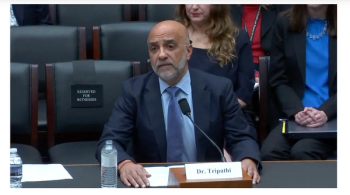
House committee examines future of artificial intelligence in health care, energy and commerce.
Group advocates for telehealth availability and responsible use.

Innovation in health care is happening at a rapid pace

National Institutes of Health announce program as potential model for future care.

Representatives examining how administration experts develop American leadership in technology.

By building a foundation of trust through personalized care, AI will not only enhance patient-provider relationships but also set new standards for patient loyalty and active participation in health care, leading to reduced no-shows and readmissions.

Regulators ponder declaration about in vitro diagnostic products.

A discussion with Adeel Sarwar, chief technology officer of CareCloud, about the future of artificial intelligence in the health technology space.

As more Americans lose access to local facilities, technology can help bring high quality care directly to their homes

Communication and empathy are keys to overcoming technology-driven disasters

Technology can streamline administrative tasks, freeing clinicians to spend more time for patients
Artificial intelligence is rapidly advancing in health care and all facets of business and life. Here are the latest developments: