




Malpractice
Latest News
Advertisement
Latest Videos
Shorts
0:34
The shocking cost of medical malpractice
4 months ago
by
Robert E. White Jr.
0:54
The real cost of hiding a minor medical error
4 months ago
by
Anthony Orsini, DO
1:26
The looming legal risk of using AI in practice
4 months ago
by
Robert E. White Jr.
0:55
Why doctors should say sorry after an error
4 months ago
by
Anthony Orsini, DO
1:09
Are doctors getting sued less?
4 months ago
by
Robert E. White Jr.
0:53
Why being honest reduces malpractice lawsuits
4 months ago
by
Anthony Orsini, DO
0:37
Why are malpractice settlements exploding?
5 months ago
by
Robert E. White Jr.
1:20
What is a thermonuclear malpractice verdict?
5 months ago
by
Robert E. White Jr.
4:07
Trump taps radiologist Nicole Saphier for surgeon general, pulls Casey Means' nomination; medical malpractice trends; AMA and Congress vs. AI chatbots — Morning Medical Update Weekly Recap
6 months ago
by
Austin Littrell
0:54
Legal essentials for health care AI vendor contracts
6 months ago
by
Dan Silverboard
Advertisement
More News

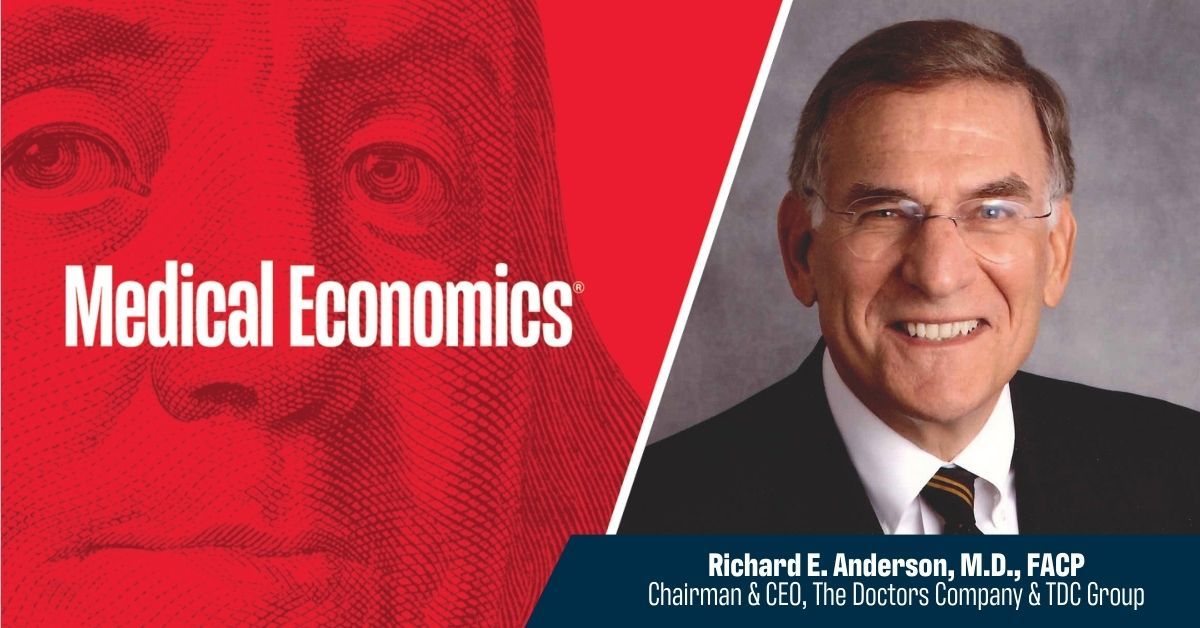
Richard E. Anderson, M.D., FACP, points to 50 years of evidence and says caps on noneconomic damages remain the single most effective lever physicians and medical societies can pull.
Richard E. Anderson, M.D., FACP, says rural hospitals are shedding services and the uninsured rate is climbing — and he calls it a "rolling" crisis, not an approaching one.

Richard E. Anderson, M.D., FACP, explains how massive jury awards ripple far beyond individual cases — and why the cultural forces driving them aren't going away.

The 10 biggest cases of health care fraud charged, settled or sentenced in the first 10 weeks of the year.

The proposal, which would also allow senior PAs to supervise junior colleagues, has drawn sharp opposition from the state medical society and reignited a national debate over scope of practice.
Richard Anderson, M.D., FACP, says the legal system, physician burnout and a shrinking insurance base are all converging — and medicine is not ready for any of it.
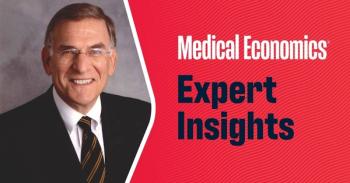
The Doctors Company and TDC Group CEO Richard Anderson, M.D., FACP, explains why artificial intelligence, nuclear verdicts and a fraying safety net are reshaping risk for physicians.
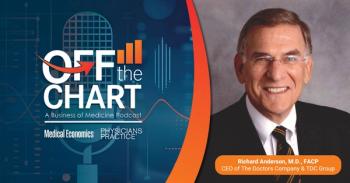
Richard Anderson, M.D., FACP, CEO of The Doctors Company and TDC Group, joins the show to break down the state of the industry and the top risks facing physicians in 2026.
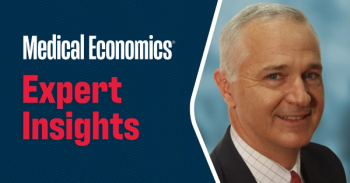
A conversation with Peter Reilly, North American Healthcare Practice Leader, HUB International
Our 96th annual Physician Report, released in August, features exclusive data on physician compensation, practice financial health and more.
Malpractice insurance costs are rising as claim severity increases. Consider these strategies to save money and navigate today's challenging insurance landscape effectively.
Sara Gerke, M.A.; David A. Simon, J.D., LL.M., Ph.D.; and Deepika Srivastava join the show to talk about malpractice and physician liability in cases involving artificial intelligence.
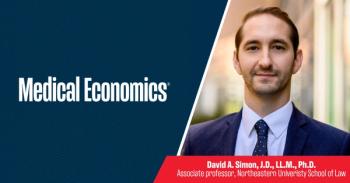
David Simon, J.D., LL.M., Ph.D., contrasts the European Union’s proactive approach to AI oversight with the U.S. system’s reliance on courts and the FDA — and argues for a middle path balancing innovation and accountability.
David Simon, J.D., LL.M., Ph.D., explores how public skepticism toward “robot diagnosis” could shape future court decisions, even as confidence in AI’s accuracy grows over time.
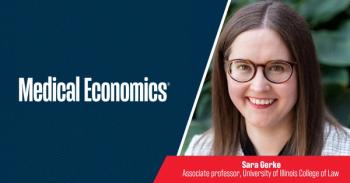
Sara Gerke explains why jurors may soon see following an AI recommendation as the “reasonable” choice, even when it diverges from traditional medical standards.
David Simon, J.D., LL.M., Ph.D., explains why AI outputs are unlikely to define medical negligence — unless courts first determine that the AI itself represents the standard of care.
David Simon, J.D., LL.M., Ph.D., examines the unresolved gray areas between physicians, hospitals and AI manufacturers when errors occur.
Drawing from past device litigation, David Simon, J.D., LL.M., Ph.D., outlines how product liability claims against AI developers and device makers may mirror — and expand upon — traditional malpractice law.
David Simon, J.D., LL.M., Ph.D., discusses how AI could gradually reshape the legal definition of the “standard of care," and what happens when not all physicians or systems have equal access to these tools.
David Simon, J.D., LL.M., Ph.D., explains why the first clues to artificial intelligence malpractice law may come from outside of medicine — including recent verdicts in the autonomous vehicle industry.
Sara Gerke of the University of Illinois explains how artificial intelligence is already challenging malpractice law — and why unclear liability could slow safe adoption.
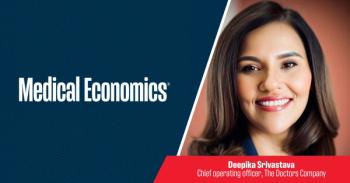
Deepika Srivastava of The Doctors Company breaks down how AI is transforming medical malpractice — from shifting standards of care to new liability risks — and what physicians must do now to stay protected.
Deepika Srivastava of The Doctors Company discusses how AI is transforming medicine — and why physicians must stay engaged as the technology evolves.
Deepika Srivastava of The Doctors Company explains how malpractice insurers can guide physicians through the legal and clinical challenges of AI.
Advertisement
Advertisement
Trending on Medical Economics
1
AI system outperforms physicians on diagnostic accuracy in Microsoft study
2
Rural Missouri health center that delivers more than 525 babies a year with two OB/GYNs lands $540,000 for obstetric staffing
3
Midterms could give Democrats leverage on Medicaid cuts and ACA subsidies, policy experts say
4
Medicaid work requirements: 44% of members unprepared, survey finds
5