
AI
Latest News
Advertisement
Latest Videos
Shorts

0:48
What the future health care job market looks like
5 months ago
by
Trent Cotton

1:13
AI scribes are just the beginning
5 months ago
by
Robert M. Wachter, M.D.
0:43
The perfect use for AI
5 months ago
by
Robert M. Wachter, M.D.
4:07
Trump taps radiologist Nicole Saphier for surgeon general, pulls Casey Means' nomination; medical malpractice trends; AMA and Congress vs. AI chatbots — Morning Medical Update Weekly Recap
5 months ago
by
Austin Littrell
0:36
Heads up: Physicians cannot ignore AI in health care
5 months ago
by
David Carmouche, MD
1:22
Health care tried AI in the '80s — here's why it failed
5 months ago
by
Robert M. Wachter, M.D.
1:05
Why value-based care is missing the mark for some physicians
5 months ago
by
David Carmouche, MD
0:35
How could AI change the patient experience in the doctor’s office?
6 months ago
by
David Carmouche, MD
0:48
Is AI putting your medical practice at risk?
6 months ago
by
Shannon Sumner, CPA, CHC
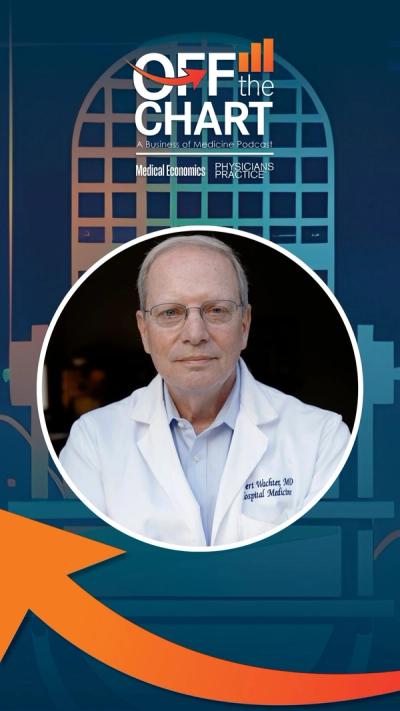
0:42
Why AI scribes pay for themselves
6 months ago
by
Robert M. Wachter, M.D.

Advertisement
More News
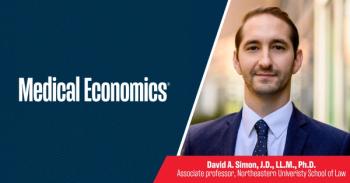
David Simon, J.D., LL.M., Ph.D., examines the unresolved gray areas between physicians, hospitals and AI manufacturers when errors occur.
Drawing from past device litigation, David Simon, J.D., LL.M., Ph.D., outlines how product liability claims against AI developers and device makers may mirror — and expand upon — traditional malpractice law.
David Simon, J.D., LL.M., Ph.D., discusses how AI could gradually reshape the legal definition of the “standard of care," and what happens when not all physicians or systems have equal access to these tools.
David Simon, J.D., LL.M., Ph.D., explains why the first clues to artificial intelligence malpractice law may come from outside of medicine — including recent verdicts in the autonomous vehicle industry.
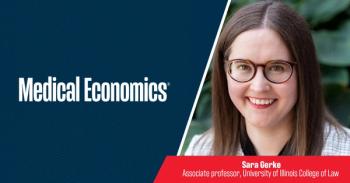
Sara Gerke of the University of Illinois explains how artificial intelligence is already challenging malpractice law — and why unclear liability could slow safe adoption.

Nearly nine in ten health care practitioners say fax-related delays disrupt patient care, according to a new Documo survey.

Primary care physicians may be the first point of contact for the next epidemic. Why don’t we give them the tech to detect and respond to outbreaks?

Artificial intelligence can cut documentation time, streamline scheduling and reduce burnout — but only if it’s implemented with clear goals and cost controls.

New Center for Digital Health and AI aims to put doctors at heart of new technology to improve medicine.

Jason Jobes of Norwood shares why mastering data interpretation is key to driving performance and reimbursement under VBC.
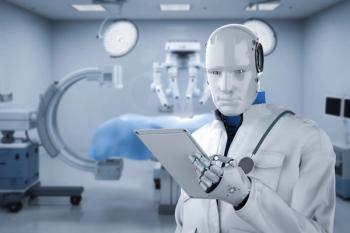
AI offers much potential, but do physicians trust it to solve the prior authorization problem?

A year after its landmark artificial intelligence summit, JAMA says health systems are deploying unproven algorithms with little evidence they improve outcomes — or even do no harm.
Deepika Srivastava of The Doctors Company breaks down how AI is transforming medical malpractice — from shifting standards of care to new liability risks — and what physicians must do now to stay protected.

SullivanCotter’s 2025 survey finds executive compensation up 4.7% overall, with the fastest growth in operations, digital strategy and compliance leadership roles.
Deepika Srivastava of The Doctors Company discusses how AI is transforming medicine — and why physicians must stay engaged as the technology evolves.
Deepika Srivastava of The Doctors Company explains how malpractice insurers can guide physicians through the legal and clinical challenges of AI.
Deepika Srivastava of The Doctors Company explains how open communication and patient consent can reduce malpractice risk when using AI tools.
Deepika Srivastava of The Doctors Company explains how insurers are beginning to adjust coverage as artificial intelligence tools become more common in medical practice.
Deepika Srivastava of The Doctors Company outlines the most practical steps physicians can take to mitigate legal risk when using AI tools in patient care.
Deepika Srivastava of The Doctors Company explains why the legal system is still catching up to artificial intelligence — and how future court cases could reshape malpractice law.

Understanding pain points that physicians want to solve with AI will help decision-makers choose the right AI-powered solutions for the clinical setting
Deepika Srivastava of The Doctors Company breaks down the unanswered question at the heart of AI-related malpractice: who’s responsible — the physician, the health system or the technology company?
Deepika Srivastava of The Doctors Company explains why the rise of AI in medicine is outpacing the legal system’s ability to manage its risks.

Artificial intelligence is entering exam rooms faster than malpractice law can keep up. Here’s what physicians need to know about how to use these tools without inviting avoidable risk.

The Australian startup aims to scale ambient AI tool that automates administrative work in health care systems worldwide.
Advertisement
Advertisement
Trending on Medical Economics
1
Russian lab worker's death sparks plague fears; Utah lets AI write first-time prescriptions; FTC warns 24 health systems on hidden prices — Morning Medical Update Weekly Recap
2
How Chicago's first new medical school in nearly a century is training doctors to treat mental and physical health together
3
Can a safety prompt make AI safer for clinical decisions? Study says yes, partly
4
Why is healthcare spending declining in 2026?
5