




AI
Latest News


The new cost engine: How AI and automation are reshaping health care economics
By John Edwards
Advertisement
Latest Videos

Shorts

0:51
Is AI hurting your hiring practices?
6 months ago
by
Trent Cotton

1:02
The problem with AI-driven layoffs
6 months ago
by
Christopher Mayer, Esq.

0:40
Cloud storage of patient information is a risk
7 months ago
by
Peter Reilly
0:36
Why malpractice rates are on the rise
7 months ago
by
Peter Reilly
2:53
PAs could practice without physician oversight; $32M Medicaid fraud; AI diagnostics threaten patient safety — Morning Medical Update Weekly Recap
7 months ago
by
Austin Littrell

0:36
PAs still want AI training
7 months ago
by
Kelly Villella-Canton
0:50
Tackling staff burnout
7 months ago
by
Peter Reilly

1:02
AI and health care layoffs: Avoiding age discrimination
7 months ago
by
Christopher Mayer, Esq.
3:15
CMS' plan to CRUSH fraud; USPSTF meeting delayed; AI for CT scans — Morning Medical Update Weekly Recap
7 months ago
by
Austin Littrell
0:35
Your parking lot might be a huge risk
7 months ago
by
Peter Reilly

Advertisement
More News

Brad Boyd of BDO USA joins the show to discuss how artificial intelligence can help with prior authorizations.
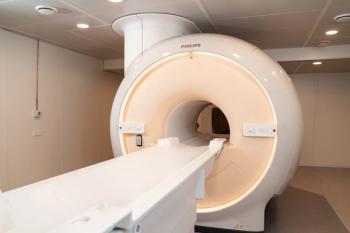
Yale begins enrolling patients in PRIME study using next-generation Swoop system

AI isn’t just a buzzword anymore — it’s reshaping daily workflows inside medical practices.

A Penn State study shows AI can flag missed appointments before they occur, helping practices cut disruptions, save time, and improve care continuity.

AI-driven platforms empower patients with personalized medicine, enhancing chronic condition management through tailored lifestyle recommendations and continuous support.

CMS establishes a national payment for AI ECG analysis, paving the way for enhanced cardiovascular diagnostics and early patient intervention.

AI transforms customer service in health care, enhancing patient interactions, streamlining operations, and improving satisfaction through context-aware technology.

New data from Elation Health shows rising adoption of artificial intelligence tools, but trust comes first.

GE HealthCare leads in FDA AI-enabled medical device authorizations, showcasing innovation in imaging and diagnostics to enhance patient care and streamline workflows.

Prior authorizations are a major burden for practices. How can AI and other technology help physicians in the fight?
Prior authorizations are a major burden for practices. How can AI and other technology help physicians in the fight?
Prior authorizations are a major burden for practices. How can AI and other technology help physicians in the fight?

Even administrative use of artificial intelligence lowers perceived empathy, trust and competence, according to new research.
Prior authorizations are a major burden for practices. How can AI and other technology help physicians in the fight?

From ambient transcription to smart scheduling, AI is helping doctors cut costs, save time and improve care. Here’s where it’s making the biggest difference — and what to consider before you invest.

AI-driven retina tracker advances diabetic retinopathy detection, enabling rapid, accurate screenings and expanding access to eye care globally.

U.S. adults tend to trust AI-generated answers to their health queries — but they’d prefer their physician not use AI tools.
Flatiron Health leverages AI to extract cancer progression data from EHRs, enhancing oncology research and patient care through advanced data analysis.
New Moneypenny survey shows two-thirds of health care organizations are now using or exploring AI, but concerns over data security, implementation and patient experience remain.

A new survey of health care executives shows most organizations are underprepared for AI-powered cyberattacks and blind to software supply chain vulnerabilities, even as breaches and business impacts rise.
A new survey reveals growing demand for clear, digital-first communication — and rising frustration with outdated forms, inconsistent channels and clunky omnichannel experiences.

A new ModMed survey finds most patients support AI in the exam room, but only for tasks that reduce screen time and build human connection.

Isaac Park, CEO of Keebler Health, joins the show to talk agentic AI and how it can be used in health care.

A new perspective piece calls on health systems to stop hoarding data and start using it to improve care.

Survey data show that delays, denials and added steps tied to prior authorization are worsening patient outcomes and creating frustration — but AI may help streamline the process.
Advertisement
Advertisement
Trending on Medical Economics
1
Russian lab worker's death sparks plague fears; Utah lets AI write first-time prescriptions; FTC warns 24 health systems on hidden prices — Morning Medical Update Weekly Recap
2
How Chicago's first new medical school in nearly a century is training doctors to treat mental and physical health together
3
Why is healthcare spending declining in 2026?
4
Can a safety prompt make AI safer for clinical decisions? Study says yes, partly
5