
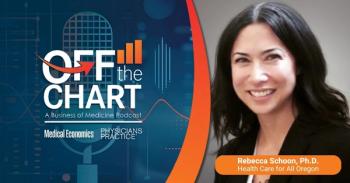
Rebecca Schoon, Ph.D., who helped lead the Oregon arm of a national moral injury report, says patients can see what corporate ownership and insurer barriers are doing to their doctors.
Rebecca Schoon, Ph.D., who helped lead the Oregon arm of a national moral injury report, says patients can see what corporate ownership and insurer barriers are doing to their doctors.


New specialists' schedules fill quickly, the authors of an NEJM Catalyst analysis write, and changing how existing clinicians are used may do more to shorten waits.

In a University of Toronto simulation, AI scribes cut documentation from 36.3% of each primary care visit to 11.2%, though total visit length didn’t change significantly.

A study published in Advanced Science used three AI models to screen thousands of approved drugs, identifying nine that inhibit Streptococcus pneumoniae, a bacterium increasingly resistant to antibiotics.
Reactions from five leading organizations were among thousands of public comments on the draft document.
Nearly 1 in 7 women ages 30 to 65 have never had a cervical cancer screening.

Independent practices don't need more billing staff — they need better workflows before the claim is ever filed.

The second annual Healthcare Workforce Barometer finds employers underestimating how many employees are ready to move, while interest in AI skills cools on both sides.
A dermatologist and a group of physician investors reopened a shuttered 25-bed Florida hospital, and now they want Congress to let other doctors do the same.

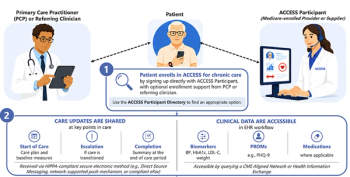
Physician groups back ACCESS Model but warn CMS against care fragmentation

HR thinks your recognition efforts are great. Employees would like a word.
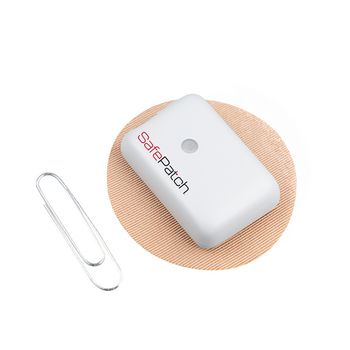
Cerna Healthcare's SafePatch is a wearable skin patch that detects falls, tracks activity and sends emergency alerts to family or professional monitors, with shipping set to begin in October.
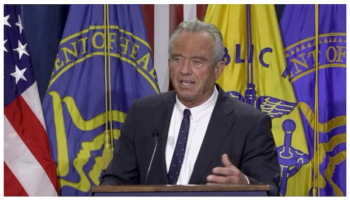
Top HHS leaders introduce ACCESS model with discussions of patient health, costs and technology.
Is your recruiting working? Trent Cotton explains how to focus the hiring process to eliminate bottlenecks that cost you talent.

The top news stories in medicine today.

Federal contracts, Medicare pilots and new state laws have pushed artificial intelligence from the edges of clinical practice into the middle of it.

A Lancet modeling study of 195 medicines estimates the Trump administration's GLOBE and GUARD pricing models could save Medicare up to $11.6 billion in their initial phase — but confidential manufacturer deals could erase nearly 80% of those savings.

Admission, discharge and transfer alerts were set up for fee-for-service, not value-based care.
The United States must address vaccine misinformation head-on or risk losing children to infectious disease.
Three health policy leaders argue that strengthening primary care payment isn't an attack on specialists — it's the fix the whole system needs.
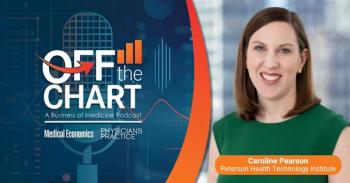
Caroline Pearson of the Peterson Health Technology Institute says the way health care pays for clinical AI will decide whether it lowers costs or drives them up.

What counts as a qualifying employer, whether residency payments count and which repayment plans still earn credit after the 2026 overhaul.


Bonds can be a great part of your portfolio, as long as you understand the role they play.

Independent primary care is struggling under a payment system stacked against it

The CBO projects about 5.2 million adults will drop off Medicaid under the new rules that begin Jan. 1. Medical Economics spoke with Pear Suite co-founder and CEO Colby Takeda about the CHW workforce states are leaning on to reach them.

Checks are due to start in October, and the administration has not said how it arrived at $500 or which years the disputed fees cover.

A JAMA Network Open qualitative study of 22 physicians finds leave policies and leadership sensitivity shape whether doctors successfully return to clinical practice after serious illness