

PYA's Tynan Kugler, M.P.H., MBA, CVA, says supply shortages, employment shifts, reimbursement pressure and the productivity-versus-value debate are all pulling at once.
PYA's Tynan Kugler, M.P.H., MBA, CVA, says supply shortages, employment shifts, reimbursement pressure and the productivity-versus-value debate are all pulling at once.
Independent primary care is wasting away due to a significant payment disparity. Here's how to fix it

Burnout comes from more than just workplace overload. Here’s why doctors need training in personal finance

The top news stories in medicine this week.

A policy expert explains what physicians need to know when patients ask about the changing prices of their medicines.

What happens to healthcare if patients can’t afford it?

Atlas MD co-founder Josh Umbehr, M.D., who has been in direct primary care practice since 2010, explains why he thinks the model is closer to mainstream than most physicians realize.

AMA survey shows doctors are skeptical about the latest promises about streamlining prior authorizations.

Strike the right balance between liquid and higher-yielding, less-liquid accounts.
Health plans are investing heavily in artificial intelligence, but inaccurate provider data create reimbursement friction and avoidable strain on primary care practices

Software platform uses consumer smartwatches and blood pressure cuffs to estimate cardiac hemodynamics for heart failure patients at home
Carlos Cardenas, M.D., explains why a CMS request for information may signal the most significant opening for physician-owned hospitals since the Affordable Care Act slammed the door 15 years ago.

Primary care physicians are drowning in data. Transparent artificial intelligence can synthesize complex biomarkers to give them their time back.

The Commonwealth Fund examines health care across developed nations and finds dismal results for the United States.


Four in 10 physicians have a side gig. Here are the data on who succeeds, where the money is going and what doctors who've done it wish they'd known sooner.

Mayo Clinic cardiologist authors explain why incremental steps can lead patients to better health and more joy in life.

AI-powered software estimates cardiac pressure noninvasively through wearable sensor

Why the GSI enrollment window closes the day residency ends
But some of the state’s top physicians and clinicians say they were blindsided by the pilot program.


AI can temporarily worsen unit economics during implementation. But for physician practices that deploy it strategically, the long-term return comes from improved operational efficiency, staff redeployment and revenue recovery.

Policies are needed now to rein in private equity investments and protect physicians and patients.

Should you handle your own retirement planning or leave it to the professionals?
Patients are frustrated with medical practices and are demanding better service.

Agreement with MinMaxMedical aims to expand navigation and robotic capabilities across shoulder, hip and knee procedures
To maximize savings in value-based care, CMS should create payment models for physicians, not middlemen.
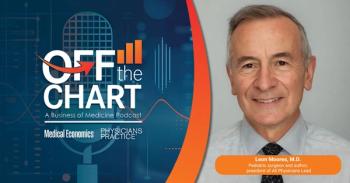
Pediatric neurosurgeon and author Leon Moores, M.D., makes the case that every physician is already a leader and shares what it takes to guide a team through uncertain times.

Most teens and young adults call the adult health care system confusing, and the physicians who treat them agree.
The top news stories in medicine this week.