



Risk Management
Latest News
Advertisement
Latest Videos
Shorts
0:51
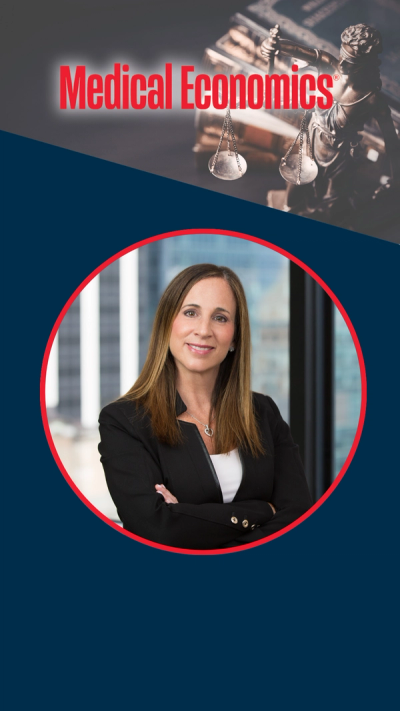
The hidden legal trap of a hybrid concierge practice
5 months ago
by
Ericka L. Adler, JD
0:53
Stop using AI for concierge medicine contracts
5 months ago
by
Ericka L. Adler, JD
0:45
When can you sue an AI vendor?
5 months ago
by
Dan Silverboard

0:50
Is AI ready for health care?
5 months ago
by
Asha Palmer, J.D., CCEP, LPEC
0:41
AI risks in health care may be narrower than you think
5 months ago
by
Asha Palmer, J.D., CCEP, LPEC
1:07
The legal risks of marketing 24/7 physician access
5 months ago
by
Ericka L. Adler, JD
0:41
The hidden risks of shadow AI
5 months ago
by
Asha Palmer, J.D., CCEP, LPEC
1:28
Compliance must-haves for small practices
5 months ago
by
Shannon Sumner, CPA, CHC
0:38
Telehealth risks: Don't forget this!
6 months ago
by
Shannon Sumner, CPA, CHC
0:48
Is AI putting your medical practice at risk?
6 months ago
by
Shannon Sumner, CPA, CHC
Podcasts

Advertisement
More News

Shannon Sumner, CPA, CHC, of PYA walks through the compliance risks practices can't afford to ignore and what to do before investigators come knocking.

The pressures on health care providers aren’t abating much in 2026, and the sector can expect to see its resiliency further sapped as a result. Implementing longer-term strategies to manage the risks and bolster their positions will be paramount.

A new Paubox analysis of every email-related breach reported to federal regulators last year points to the same foundational failures, over and over.

CENTEGIX’s Andrea Greco explains why workplace violence is now a core business risk — and how smarter safety strategies can protect staff, patients and margins.

What health care leaders need to know about faster, broader, and more coordinated enforcement in 2026.

What you need to know about AI tools before using them in your practice
Stephanie O’Connor joins the show to explain how medical practices can modernize payment systems, reduce fraud and protect revenue without compromising the patient experience.

Cyber insurance provided through a malpractice or business insurance policy often caps coverage at $10,000 or $50,000 and excludes important risks most likely to hit a practice, like social engineering fraud.

AI tools are becoming quite common in health care settings, but what happens when something goes wrong?
What you need to know about AI tools before using them in your practice

Workplace violence is a business risk: CENTEGIX’s Andrea Greco on safety and staffing in health care
CENTEGIX's health care safety trends report tracks when and where duress alerts spike — and why leaders who ignore workplace violence can’t afford to.

Untangling visa programs health care employers use
Don't let your practice be a victim of - or complicit with - fraudsters
Peter Reilly, North American health care practice leader at HUB International, joins the show to break down the top risks facing physician practices in 2026.

What medical practices need to know about risk in 2026
What medical practices need to know about risk in 2026
What medical practices need to know about risk in 2026
What medical practices need to know about risk in 2026
A conversation with Peter Reilly, North American Healthcare Practice Leader, HUB International
What medical practices need to know about risk in 2026
What medical practices need to know about risk in 2026
What medical practices need to know about risk in 2026
What medical practices need to know about risk in 2026

Malpractice insurance costs are rising as claim severity increases. Consider these strategies to save money and navigate today's challenging insurance landscape effectively.

Common diagnostic challenges can turn preventable conditions into catastrophic clinical and financial outcomes, but practices can take action to strengthen diagnostic processes and reduce risk.
Advertisement
Advertisement
Trending on Medical Economics
1
Russian lab worker's death sparks plague fears; Utah lets AI write first-time prescriptions; FTC warns 24 health systems on hidden prices — Morning Medical Update Weekly Recap
2
How Chicago's first new medical school in nearly a century is training doctors to treat mental and physical health together
3
Can a safety prompt make AI safer for clinical decisions? Study says yes, partly
4
Why is healthcare spending declining in 2026?
5