





Four simple steps can increase collection of patient balances while also preserving the practice-patient relationship.
Check out our inaugural edition of our interactive publication, featuring in-depth reporting, expert insights, exclusive data, and more!

Four simple steps can increase collection of patient balances while also preserving the practice-patient relationship.

Recent updates to coding changes for COVID-19.

Practices that don’t develop and regularly review a budget are missing out on a tool that can provide warning signs of financial trouble.
Physician coding questions about medical decision making, answered by our coding expert.

How to create a mission statement — and a sense of purpose — for your medical practice.

To improve performance and meet new challenges, healthcare providers need to blend the next generation of Revenue Cycle Management (RCM) with traditional patient care.
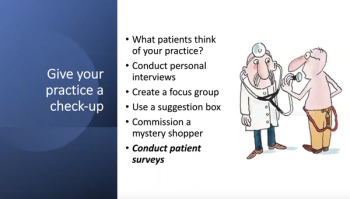
Are your patients satisfied with the service your practice provides? Here's how to find out.

Employee mandate would have impacted 84 million workers. Healthcare mandate affects every facility that receives federal funding.

Recent trends in medical audits and what physicians can expect.

A large number of healthcare workers have left the medical field — leaders need to focus on caring for their staff.

Don't let patients get a bad impression over the phone of the service you provide at your practice.


Medical Economics asked our audience what they considered the major challenges facing physicians and practices in 2022.

It’s important for physicians to think beyond malpractice when they consider risks to their career and practice.

An employee appreciation program is a great place to start.
The need for a consistent and professional digital marketing strategy is universal.

Earning good ratings is becoming more difficult, but there are ways to make real gains in your scores.

What's the best way to manage personnel issues with a problem employee?






Blood clot risk in J&J higher for women, draws CDC concerns

Identifying and assisting patients with social determinants is challenging, but can boost outcomes