






What you need to know to boost your profits.
What you need to know to boost your profits.

What has to be documented to qualify for CCM?

Explaining what can and can't be done for an initial visit.


6 tips from a doctor who's been there
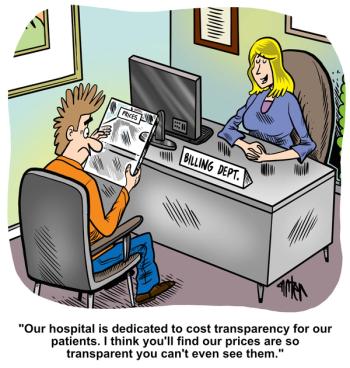
How transparent are your prices?

Where do hidden billing costs typically exist-and how can practice leaders more effectively rein them in? Here are four common blind spots?

Strategies worth considering to get the most from your team.

Physicians must change with it.
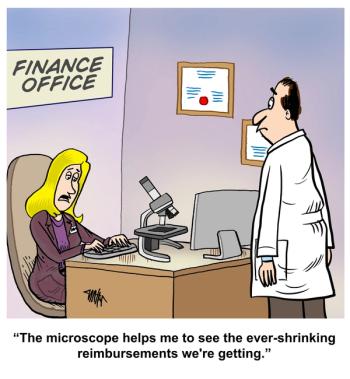
Reimbursements are shrinking, and shrinking, and shrinking...

Weigh in on the ongoing debate about the ownership of medical records. Who do you think should control them?

How social issues affect outcomes, especially for patients with chronic conditions

Take a methodical approach to growth

The multidisciplinary nature of healthcare requires a team approach to effectively navigate risks and opportunities.

A slideshow with nine things physicians can do to make the prior authorization process easier.


Proactively managing risk and avoiding harm is almost always cheaper and more predictable than managing any actual crisis.


David B. Wright, MD, an internist from Memphis, tells Medical Economics about the benefits of running a direct pay practice, how it has improved his relationship with his patients, and their health outcomes.

Americans have seen their primary care physicians less and less- here's why.

Mergers in healthcare are nothing new, but sometimes they can go too far.

While there are many key concepts and strategies to be aware of prior to and during any lease or purchase negotiation, there are an equal or greater number of mistakes to avoid.

Patient identification is in desperate need of an overhaul-and biometrics could be the answer.

In some cases even small improvements in revenue and operating efficiencies can make the difference between staying independent and selling or merging a practice,

The top three barriers identified.