







Far from being risky or ill-timed, my transition to concierge medicine has benefited both me and my patients in ways that continue to beautifully unfold.

Far from being risky or ill-timed, my transition to concierge medicine has benefited both me and my patients in ways that continue to beautifully unfold.

How much should practice owners pay themselves?

As understanding of implicit bias grows, so do techniques for combating it.

What cities pay primary care physicians the most?

Whether or not patients share cost concerns with physicians, financial issues are a growing part of healthcare decision-making. Many patients would like to talk with physicians about those costs.

Since the public health emergency that is COVID-19 came to America in January, the Centers for Medicare & Medicaid Services (CMS) has unleashed a series of changes intended to allow the codes and coverage to catch up with the newly imposed reality of telehealth.

How to negotiate the position best for you

Physicians, just like the patients we serve, are facing an unprecedented emotional burden from the COVID-19 pandemic.

For primary care physicians - already saddled with student debt obligations, volume-based performance demands, declining reimbursements, increasing administrative challenges, and overall burnout - the spread of COVID-19 has been a pressure test.


Creating a strategic plan and thinking strategically are not about doing more. They are about focusing how you spend your time so that you are more effective in reaching your goals and getting to where you want to go.

Private practices that are or think they will soon be in a financial bind because of the COVID-19 crisis have some options.

Richard Roberts, MD, says doctors need to identify a few things they most want and don’t want in a job before negotiating an employment contract.

What will happen long term is unclear, but doctors and observers say the actions taken so far by the government to support practices are inadequate and that more needs done.

How to ensure practice success.

When it comes to avoiding claim denials, training staff to understand payer policies and regulatory requirements is critical.


When do doctors retire, and what are they worried about in the future?

A good financial planner can act as a partner, sounding board, accountability watchdog, and your personal CFO.
Why don’t more U.S medical school graduates enter primary care? This issue is critical because the American Association of Medical Colleges (AAMC) projects that there will be a shortage of 21,100 to 55,200 PCPs by 2032.
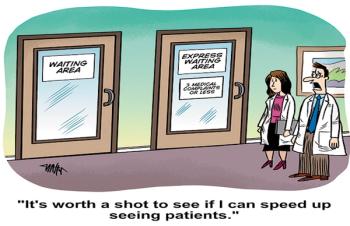
Long wait times have a negative impact on patient satisfaction.

Running late with patients is a huge source of stress and anxiety -- here's how to fix the problem.

Physician interest in supplementary work outside of the primary practice setting is nothing new. But the industry of medicine is becoming increasingly regulated and constrained.
While more physicians are becoming employees, others who crave autonomy are going out on their own. Here’s how to succeed.

General tips for keeping your patients happy and your practice safe