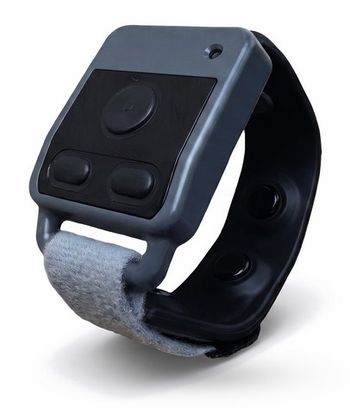
Encora X1, an FDA-cleared wrist device, uses mechanical rather than electrical neurostimulation, giving VA clinicians an option for patients who can't tolerate medication or have implanted electrical devices.
FDA clearance allows the Netherlands-based company to bring a two-minute, chemical-free UV-C disinfection system for transesophageal echocardiography probes to the U.S. market, aiming to improve workflow efficiency and infection control.
A Netherlands-based medical technology company has received U.S. Food and Drug Administration clearance for a device that uses ultraviolet light to disinfect sensitive cardiac imaging equipment, marking what the company says is the first FDA-cleared system of its kind for the application.
UV Smart Technologies B.V. announced it has received FDA 510(k) clearance for its D60 device, which uses UV-C light to provide high-level disinfection of transesophageal echocardiography (TEE) probes commonly used in cardiology exams. The company said the D60 is the first UV-C high-level disinfection device cleared by the FDA specifically for TEE probes.
TEE probes, which are inserted into the esophagus to capture detailed images of the heart, require thorough cleaning between patients. Traditional chemical-based disinfection processes can take about two hours, but the D60 system completes high-level disinfection in approximately two minutes, according to the company.
“This clearance will help fulfill the need in U.S. health care for validated options that reduce manual workload, improve safety, and support more efficient clinical workflows,” said co-founder Thijs Kea.
UV Smart said the device’s rapid disinfection cycle could allow health care facilities to increase patient throughput while eliminating the use of harsh chemicals and reducing wear on expensive cardiology equipment. The company, founded in 2017, operates in 35 countries and is backed by investor Chris Oomen, founder of Optiver.
The FDA clearance marks the company’s entry into the U.S. market and represents what executives described as the next phase of its international growth strategy, focused on chemical-free high-level disinfection technologies designed to improve efficiency and reduce long-term operating costs for healthcare providers.
Health care facilities are increasingly adopting automated, chemical-free and data-tracked disinfection technologies as hospitals seek to reduce health care-associated infections (HAIs), improve workflow efficiency and comply with tightening regulatory standards.
Ultraviolet (UV-C) disinfection has emerged as a rapidly expanding segment of the infection-prevention market. Earlier generations of UV systems were primarily used for room decontamination, but newer designs are being engineered to disinfect complex medical instruments such as ultrasound probes, endoscopes and surgical tools. These systems often feature enclosed chambers that ensure consistent exposure, built-in safety interlocks and validated dosing cycles that help standardize infection-control practices across facilities.
At the same time,
Another major innovation trend involves replacing chemical-based high-level disinfection methods with approaches that reduce chemical handling risks and environmental impact. Technologies under development or early adoption include UV-C light systems, low-temperature hydrogen peroxide plasma sterilization, ozone-based sterilization and hybrid systems that combine multiple modalities for complex instruments.
Hospitals are also prioritizing faster turnaround times for reusable equipment, particularly in high-volume departments such as
Industry analysts expect continued growth in automated reprocessing technologies as providers look for solutions that simultaneously improve infection prevention, staff safety and operational efficiency—areas that remain central priorities for healthcare systems worldwide.