A simple break-even calculation turns a reimbursement advantage into staff minutes, showing practices when prior authorization, denials and uncollected patient balances wipe out a better rate.
The top news stories in medicine today.
Joel French, a former Ole Miss All-American and NFL tight end, was convicted in February and sentenced Thursday.
A former NFL player and college football star has been sentenced to 196 months (over 16 years) in federal prison for his role in a nearly
Prosecutors also said he billed federal programs for patients who were deceased, amputees or suffering from cognitive impairment. In addition to his prison sentence, French was ordered to pay more than $110 million in restitution and forfeit approximately $17 million in seized assets.
Men with glioblastoma who were taking supplemental testosterone had a 38% lower risk of death.
Cleveland Clinic researchers analyzing data from more than 1,300 men with glioblastoma found that those receiving supplemental testosterone for unrelated reasons had a 38% lower risk of death than those who were not — a finding that, combined with supporting laboratory experiments, has prompted calls for clinical trials, according to a study published in
The findings upend a widely held assumption that testosterone contributes to glioblastoma's higher incidence and worse outcomes in men. Researchers also flagged that androgen deprivation therapy, a standard tool in other cancers, may actually be harmful in glioblastoma patients.
“This outcome is a welcome surprise and may potentially offer a lead for new treatments for a kind of cancer that is deadlier in men,” said Anthony Letai, M.D., Ph.D., director of NIH’s National Cancer Institute.
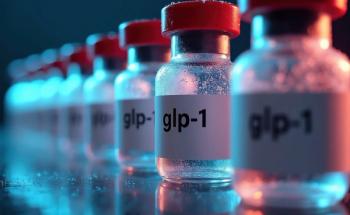
A retrospective study of more than 840,000 breast cancer patients found lower rates of death and cancer recurrence among those who used GLP-1 medications.
GLP-1 receptor agonists were associated with lower overall mortality and a significantly reduced risk of cancer recurrence over 10 years in breast cancer patients who also had obesity or type 2 diabetes, according to a large retrospective study published in
“This study suggests that GLP-1 drugs may offer protective benefits potentially improving survival and recurrence risk in some female patients with breast cancer — whether this is related to weight control, improve cardiovascular health or other mechanisms remains to be studied,” said study senior author Bernard F. Fuemmeler, Ph.D., M.P.H., of VCU Massey. Randomized clinical trials are needed before the findings can inform treatment decisions, the authors said.