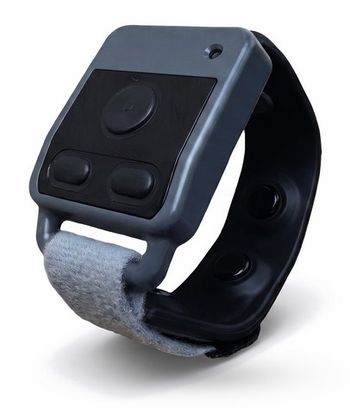
Encora X1, an FDA-cleared wrist device, uses mechanical rather than electrical neurostimulation, giving VA clinicians an option for patients who can't tolerate medication or have implanted electrical devices.
Gentherm's ThermAffyx Patient Safety System integrates active warming with anti-slip securement in a single Class II platform, targeting hypothermia risk during the more than 3 million robotic-assisted procedures performed worldwide each year.
Gentherm Medical, a global provider of thermal management and pneumatic comfort technologies, announced it has received U.S. Food and Drug Administration 510(k) clearance for its ThermAffyx Patient Safety System, a Class II medical device that combines active patient warming, patient securement and pressure reduction into a single platform.
The system is designed for the more than 3 million robotic-assisted surgical procedures performed annually worldwide. Product trials at healthcare facilities are scheduled to begin in August, with revenue generation expected to start in the third quarter of 2026.
The clearance follows a 510(k) submission Gentherm announced earlier this year and marks an expansion of the company's patient temperature management portfolio.
Surgical teams have historically had to piece together separate solutions to address intraoperative warming and patient securement, according to Gentherm. Traditional underbody securement pads help keep patients from shifting on the operating table but do not provide active warming — a gap the company said is especially consequential in robotic-assisted cases and procedures that require placing patients in Trendelenburg position.
That positioning, along with the equipment and draping typical of
ThermAffyx addresses that gap by building active underbody warming directly into an anti-slip securement pad, rather than requiring separate devices for each function. The system's radiolucent heating element — a design intended not to interfere with intraoperative imaging — is powered by Gentherm's proprietary Carbotex carbon-fiber heating technology.
Gentherm characterized the device as more than an incremental warming product, describing it as a purpose-built patient safety platform designed around the specific workflow demands of modern robotic surgery, where extended procedure times, limited access to the patient and fixed positioning can compound thermoregulation risk.
Inadvertent perioperative hypothermia has long been recognized as a modifiable risk factor in surgery, associated with complications including increased surgical site infection rates, coagulopathy, prolonged post-anesthesia recovery and greater intraoperative blood loss. Professional guidelines from anesthesiology and perioperative nursing organizations have called for active temperature monitoring and warming as standard practice for most procedures under general or neuraxial anesthesia lasting longer than 30 minutes.
The rise of robotic-assisted surgery has complicated that standard-of-care picture. Robotic platforms often require patients to remain in steep positioning for extended periods, with surgical drapes, robotic arms and port placements covering areas of the body that would otherwise be available for forced-air warming blankets. That has pushed device developers toward warming solutions built into surfaces patients are already in contact with — underbody pads, positioning devices and table surfaces — rather than blankets layered on top of the patient.
The broader medical device sector has also trended toward consolidating single-function operating room products into integrated platforms, a shift driven partly by
As robotic surgery volumes continue to grow across general surgery, urology, gynecology and other specialties, device manufacturers are likely to keep pursuing integrated patient-safety platforms that address the specific ergonomic and positioning challenges these procedures introduce — rather than adapting devices originally designed for conventional open or laparoscopic surgery.