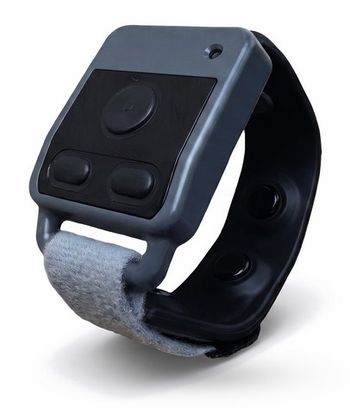
Encora X1, an FDA-cleared wrist device, uses mechanical rather than electrical neurostimulation, giving VA clinicians an option for patients who can't tolerate medication or have implanted electrical devices.
Artificial intelligence-powered surgical robot designed to improve precision and reduce physical strain on surgeons performing urological procedures.
A Beijing-based medical technology company has launched an artificial intelligence-powered surgical robot designed to improve precision and reduce physical strain on surgeons performing
Healinno Tech (Beijing) Co., Ltd. announced the introduction of its metaFlow Waterjet Surgical Robot, which combines AI-driven surgical planning with robotic execution to assist surgeons throughout the operative process.
The system uses high-speed waterjet technology for tissue dissection, a method intended to minimize thermal damage to surrounding structures during surgery. Traditional surgical methods rely heavily on manual dexterity and sustained physical effort from surgeons.
"AI-powered robotics is shifting that balance, enabling surgeons to move from physically intensive manipulation toward higher-level clinical decision-making," according to the company's announcement.
The metaFlow system integrates three core functions: AI-powered surgical planning before procedures, real-time navigation during operations, and robotic-assisted execution. The technology aims to standardize complex procedures and shorten the learning curve for minimally invasive surgery techniques.
Several major medical centers in China have begun using the system, including Peking University First Hospital and Beijing Hospital.
Healinno Tech said the technology represents part of a broader shift toward intelligent surgical systems that could make advanced procedures more accessible across different healthcare settings.
The system provides support across the complete surgical workflow, from initial planning through postoperative analysis, using AI-driven imaging analysis combined with robotic control mechanisms.
The surgical robotics sector has experienced significant technological evolution over the past several years, with AI integration emerging as a defining trend. Systems now incorporate machine learning algorithms that can analyze preoperative imaging data to generate customized surgical plans, adapting to individual patient anatomy with increasing sophistication.
Real-time image processing has advanced substantially, enabling robotic platforms to provide enhanced visualization during procedures. Three-dimensional reconstruction techniques and augmented reality overlays help surgeons navigate complex anatomical regions with greater confidence. Some systems now offer haptic feedback, restoring a sense of touch that earlier robotic platforms lacked.
Miniaturization has expanded the range of procedures suitable for robotic assistance. Flexible robotic instruments can now access previously difficult anatomical locations, while single-incision approaches reduce tissue trauma and recovery times. Multi-arm coordination has improved, allowing systems to manage retraction, suction, and dissection simultaneously with minimal human intervention.
The integration of waterjet and laser technologies represents another frontier, offering alternatives to traditional electrosurgical cutting methods. These energy modalities can reduce collateral tissue damage, potentially lowering complication rates and improving healing outcomes.
Data analytics capabilities have grown alongside
Remote surgery capabilities have matured, though regulatory and practical challenges remain. The technology now exists to perform procedures across significant distances, raising possibilities for specialist access in underserved regions. Latency reduction and network reliability improvements continue to make teleoperated surgery more feasible for routine clinical application.