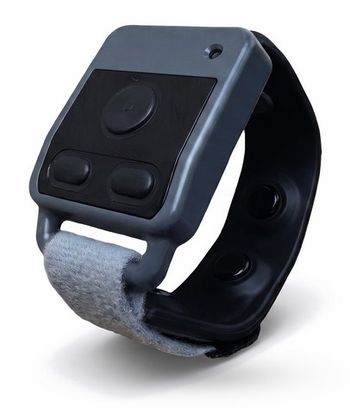
Encora X1, an FDA-cleared wrist device, uses mechanical rather than electrical neurostimulation, giving VA clinicians an option for patients who can't tolerate medication or have implanted electrical devices.
Augmedics unveiled the X2 augmented reality surgical headset, which enhances precision and comfort in spinal surgeries with advanced imaging and ergonomic design.
Unlike consumer
The company said the headset’s transparent display delivers a 100% increase in both field of view and image resolution, along with improved brightness over its predecessor. A new processor and more efficient power design also enhance performance and reliability during complex
“Augmedics was a pioneer in the field with the first AR guidance system to be used in surgery,” said Paul Ziegler, president and CEO of Augmedics. “We have continued to be a leader in the space with more than 12,000 patients treated with our first-generation technology. With that foundation established, we’re entering a new era in Augmedics history. X2 is a significant step forward and represents a proprietary platform for long-term procedural innovation.”
The use of augmented reality in surgery has moved rapidly from early prototypes to clinical adoption in recent years. AR-based navigation allows surgeons to visualize internal anatomy in real time, overlaying 3D images from scans directly onto the patient during procedures. This helps improve accuracy, reduce radiation exposure from repeated imaging, and shorten procedure times.
Recent advances in optics, processing power, and miniaturization have made head-mounted AR systems more practical in the operating room. Modern devices can integrate preoperative imaging, real-time tracking, and virtual overlays without requiring surgeons to look away from the surgical field.
Beyond spine surgery, AR-guided techniques are being explored in orthopedic, neurosurgical, and ENT procedures, where millimeter-level precision is essential. Researchers are also developing adaptive systems that can recognize anatomical structures and adjust visualizations automatically during surgery.
As AR technology evolves, developers are focusing on improving ergonomics, latency, and interoperability with other surgical platforms. Hospitals and training centers are beginning to integrate AR visualization into surgical education as well, allowing residents to practice complex procedures in immersive 3D environments.
While challenges remain—such as cost, standardization, and clinical validation—experts say AR is poised to become a key component of the digital operating room, enhancing both safety and surgical outcomes.