

Data from the COVID tracking project on coronavirus cases, test results and more.
Data from the COVID tracking project on coronavirus cases, test results and more.

The partnership includes a $100 million investment in Amwell.
Data from the COVID tracking project on coronavirus cases, test results and more.

Hackers will hit any vulnerable target.

Share your insights on EHRs, telehealth and other technology.

Better healthcare workflow doesn’t require summarily scrapping everything we have and building something entirely new.
Data from the COVID tracking project on coronavirus cases, test results and more
COVID has proven the perfect distraction for hackers to take advantage of overtaxed health care facilities.

Too many practices don’t follow up on denied claims. Here’s how to change that.

The call comes in a letter addressed directly to President Donald J. Trump.
Data from the COVID tracking project on coronavirus cases, test results and more.

Primary care practices have been particularly vulnerable to the economic effects of COVID.
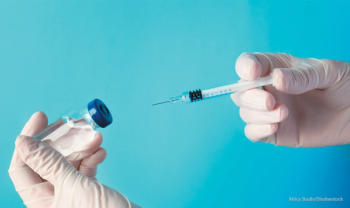
The ACP says that staying up to date on vaccinations is more important than ever.

CMS is launching a new payment model that emphasizes value and quality in primary care.
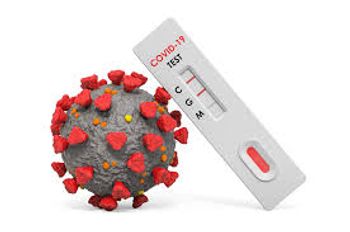
The new test was developed by LumiraDx.
Data from the COVID tracking project on coronavirus cases, test results and more.
The lessons learned now will change how physicians approach patients and how doctors are trained.

Take a look at what kinds of at-home remedies Americans are using to avoid hospital visits during the pandemic.

Physicians can use EHRs to dramatically increase their efficiency.
Post-traumatic stress and anxiety are high, but there are resources out there to help physicians.

As expected, the case will be heard after the general election.

How can physicians help senior patients feel comfortable using telemedicine?
Data from the COVID tracking project on coronavirus cases, test results and more.
While many doctors have benefitted, there’s one key component that’s still missing.

Americans were underinsured even before the start of the COVID-19 coronavirus pandemic began.

When was the last time you took a hard look at your expenditures to help increase profitability?

Substance use and suicidal ideation are on the rise.

EHRs can offer a wider range of services through telemedicine.
Data from the COVID tracking project on coronavirus cases, test results and more.

We have seen enormous tension across the country when it comes to two important goals: protecting population health, and protecting economic health.