Mike Enos, CPC, CPMA, CEMC, shared his perspectives and tips to avoid coding and documentation audits and help practices get reimbursed for what they earned.

Mike Enos has more than 15 years of experience in the medical coding, billing compliance, and revenue cycle management field. Mike started by working in revenue cycle management in 2003. He began instructing medical coding and consulting in 2009. He has extensive experience in all aspects of the revenue cycle, and was a billing account manager for physician practices. After attending Rhode Island College and obtaining a Bachelor of Arts, Mike continued his education by pursuing four professional medical coding certifications from the American Academy of Professional Coders: Certified Professional Coder (CPC), Certified Professional Medical Auditor (CPMA), Certified Professional Coding Instructor (CPC-I), and Certified Evaluation and Management Coder (CEMC). Mike has developed a suite of online training courses on Evaluation and Management, ICD-10, and CPC preparation. Mike is experienced in medical chart auditing, in addition to teaching, and consulting. Mike has contributed articles to Medical Economics and MGMA Connection Magazine, presented at Regional and National MGMA Conferences, AAPC Chapter Meetings, and the New England Quality Care Alliance (NEQCA) Fall Forum. He has served as a billing compliance specialist with Medsafe, and is a partner in Enos Medical Coding. He has joined several nationally accredited professional organizations, including the American Academy of Professional Coders (AAPC), National Alliance of Medical Auditing Specialists (NAMAS), Medical Group Management Association (MGMA), and American College of Medical Practice Executives (ACMPE.)
Mike Enos, CPC, CPMA, CEMC, shared his perspectives and tips to avoid coding and documentation audits and help practices get reimbursed for what they earned.
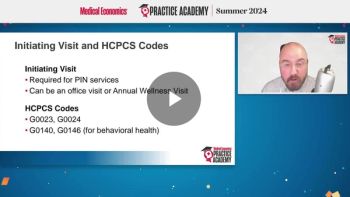
Are you billing these often-missed new codes, or leaving money on the table?
Mike Enos, CPC, CPMA, of Enos Medical Coding, discusses common coding denials that medical practices experience and how they can be prevented.

By knowing these codes, practices can earn additional reimbursement.
The goal of transitional care management (TCM) codes is to achieve increased involvement of primary care physicians (PCPs) in order to improve patient care and reduce mistakes in care coordination that can lead to readmission.
March 10th 2017
July 25th 2017