If artificial intelligence improves medicine, what does that mean for malpractice insurance premiums?
We know artificial intelligence is already helping physicians treat patients. Why wait because of speculation about what might happen?
The loudest voices in the
In recent weeks, some of the most powerful executives in technology have
I run a company that assembles a patient's medical history from every place they have received care. Every day, I see the information a doctor needs stuck in an electronic health record system at another facility, and that system will not talk to the one in front of the physician who needs it. In 2023, Johns Hopkins researchers estimated that
Sepsis shows the stakes most clearly. It starts out looking like an ordinary illness, and it turns deadly when treatment starts late. Johns Hopkins researchers deployed an AI early warning system across five hospitals, reading vital signs and lab results for 590,736 patients around the clock. Among flagged patients whose alert a clinician confirmed within three hours, sepsis mortality ran 18.7% lower, according to results in
Cancer screening tells the same story. Researchers in Sweden randomly assigned 105,934 women in the country’s mammography screening program to AI-supported reading or standard practice, in which two radiologists review every scan. The AI group had 29% more cancers detected with no increase in false alarms, according to
These results came from the kind of evidence medicine demands before it changes practice: a large deployment published in a peer-reviewed journal and a randomized trial. The slowdown argument has no comparable evidence behind it. It offers a scenario. I take long-term risk seriously, and researchers should keep studying it. A thought experiment should not outrank a randomized trial when patients are on the line.
A slowdown also has no way to tell the difference between the tools. The Food and Drug Administration has authorized
The cost of that caution would not fall on the people asking for it. It would fall on a patient in a community hospital whose sepsis alert never fires. It would fall on a woman whose early tumor waits another screening cycle for a tired radiologist to catch it. A policy that sounds careful in a boardroom can be reckless at a bedside.
The skeptics inside medicine have a better argument, and it deserves a straight answer. Nurses
That is the standard medicine should hold every AI tool to: one application at a time, measured against the system patients actually live in. Tools that fail get pulled. Tools that pass get used. A blanket slowdown skips that test and freezes a status quo that already loses hundreds of thousands of people to preventable error. The people arguing about the future of AI should explain to the patients in front of us why their care has to wait.
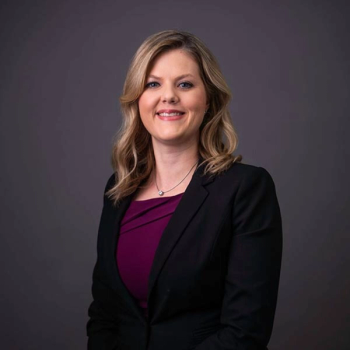
Mika Newton is a health care technology innovator and CEO of