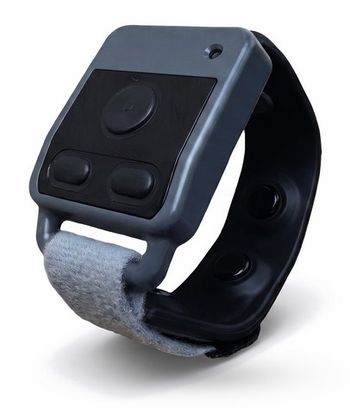
Encora X1, an FDA-cleared wrist device, uses mechanical rather than electrical neurostimulation, giving VA clinicians an option for patients who can't tolerate medication or have implanted electrical devices.
Orpyx's digital foot-monitoring platform for diabetic foot ulcer prevention will be tested in a NIH-funded trial, aiming to reduce amputation risks.
Orpyx Medical Technologies said its
The WIREDUP (Wearable Insoles for Recurrent Diabetic Ulcer Prevention) study will be led by Johns Hopkins University School of Medicine, with collaborators from Keck Medicine of USC and the University of Utah Spencer Fox Eccles School of Medicine. The $5 million R01-funded randomized controlled trial will enroll 400 participants.
Researchers will evaluate whether the use of digital foot monitoring in routine care can help lower the rate of
“Supporting independent, peer-reviewed research is central to advancing care for people with diabetes,” said Breanne Everett, CEO and founder of Orpyx Medical Technologies. “We are honored that our platform has been selected for use in this NIH-funded trial, which will generate high-quality evidence to inform the role of digital tools in diabetic foot ulcer prevention.”
The WIREDUP trial comes amid growing interest in how digital health technologies can support earlier detection, ongoing monitoring, and proactive intervention for chronic conditions. In recent years, researchers have increasingly explored wearable sensors, remote patient monitoring systems, and predictive analytics as ways to ease the burden of diseases that require continuous oversight.
One area of progress involves wearable devices capable of detecting subtle changes in physiology before symptoms appear. In chronic disease management, these tools are being tested to alert clinicians to issues such as increased inflammation, reduced mobility, or early signs of tissue stress. Continuous data streams from sensors have also enabled more personalized care plans, helping clinicians adjust treatment based on real-time trends rather than periodic visits.
Remote monitoring programs have expanded rapidly as well, allowing care teams to track patients between appointments. These systems often combine patient-generated data with automated alerts, enabling earlier outreach when concerning patterns emerge. Researchers are examining how such programs may reduce hospitalizations or emergency visits by catching problems sooner.
Analytics and machine learning tools are also gaining traction for their ability to identify risk patterns that might otherwise go unnoticed. Studies have investigated how algorithms can analyze temperature changes, pressure distribution, or gait instability to forecast complications for at-risk patients. As datasets grow, these tools may become more accurate at predicting who is likely to need intervention.
Together, these developments reflect a broader shift toward proactive, data-driven care. While traditional management of chronic diseases has often relied on scheduled check-ins, recent advances aim to provide continuous visibility, potentially improving outcomes and reducing health care costs.