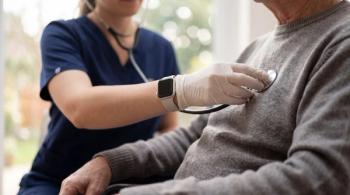
Every breakthrough eventually lands in primary care
Across most specialties, the pattern is remarkably consistent. Researchers discover new opportunities to intervene earlier. Clinical evidence grows. New guidelines and therapies emerge. Screening recommendations expand. Health systems begin implementing screening initiatives. Eventually, someone must translate these advances into patient care.
More often than not, that responsibility falls to primary care.
This paradigm reflects the critical role PCPs play in longitudinal patient care. They have the strongest patient relationships, coordinate care across specialties and serve as the entry point for prevention and diagnosis. But it also exposes a growing imbalance. Health care has invested heavily in improving its ability to identify risk, yet invested far less in the operational support needed to integrate insights into care.
As early signals are identified earlier and earlier, primary care is asked to implement an ever-growing number of innovations without a corresponding increase in time and resources. Every new screening initiative represents another conversation to have, another test to schedule, another result to interpret, another referral to coordinate and another follow-up to ensure the patient doesn't fall through the cracks. Each individual recommendation may be clinically valuable. Collectively, they create a level of complexity that no single clinician can reasonably manage alone.
Type 1 diabetes is a preview of what’s ahead
Type 1 diabetes illustrates this challenge particularly well. For decades, diagnosis often came only after symptoms appeared, with diabetic ketoacidosis (DKA) serving as the first indication of T1D for 40% to 60% of children in the U.S. However, studies such as those from TrialNet have demonstrated that screening can identify individuals years before symptoms develop, while the availability of disease-modifying therapies has made earlier identification clinically actionable rather than simply informative.
Those advances represent extraordinary progress. They also raise practical questions that extend well beyond endocrinology. Who should be screened? Who helps families understand what elevated risk means before symptoms develop? Who coordinates confirmatory testing, specialist referrals and ongoing monitoring? And how can clinicians incorporate these conversations into already full schedules without creating additional burden?
These are not questions of science. They are questions of care delivery. The same questions are emerging across medicine as earlier detection expands into kidney disease, cardiovascular disease, liver disease, hereditary cancer and other conditions. Type 1 diabetes is simply one of the first examples where advances in prediction have arrived faster than the workflows needed to support them.
Education is necessary but not sufficient
When new clinical evidence emerges, health care appropriately responds with updated guidelines, continuing medical education and increasingly sophisticated clinical decision support. These efforts play an important role in helping physicians incorporate new evidence into practice.
But awareness does not create capacity. Someone still has to explain the findings to the patient, answer questions, coordinate testing, schedule referrals and track completion.
Primary care physicians cannot reasonably become subspecialists in every emerging disease area while continuing to provide comprehensive, relationship-based care. There is a growing mismatch between the expanding complexity of modern medicine and the infrastructure available to support its delivery.
If health care's response to scientific advances is simply asking primary care to do more, we should not be surprised when implementation struggles to keep pace with innovation.
Supporting primary care, not burdening it
As health care enters this era of earlier detection, success will depend on more than better biomarkers, predictive models or screening recommendations. It will require a new care delivery infrastructure designed to move patients efficiently from signal identification to evaluation, diagnosis and ongoing care.
For independent practices, that support may come from payers, specialty partners, screening programs or technology vendors rather than a new internal team. Those partners should take responsibility for patient outreach, testing coordination, closed-loop referrals and follow-up while keeping the physician informed at each step.
That means bringing precision to the whole care journey rather than its ends, applying the same rigor to finding patients and moving them through evaluation that we already apply to treating them. Practices and their partners can use AI, longitudinal electronic health record data and automated workflows to prioritize outreach, facilitate testing and referrals, and ensure patients successfully complete the diagnostic journey.
Ultimately, early identification succeeds when patients receive timely follow-up and appropriate care without adding to the burden on already overextended clinicians. The work doesn’t end when a patient is identified. Practices need a clear path to move that patient from elevated risk to evaluation, diagnosis and treatment.
Conrad Gudmundson is chief commercial officer at Lucem Health, where he leads the company’s business development and strategic partnership efforts to advance earlier disease detection.