




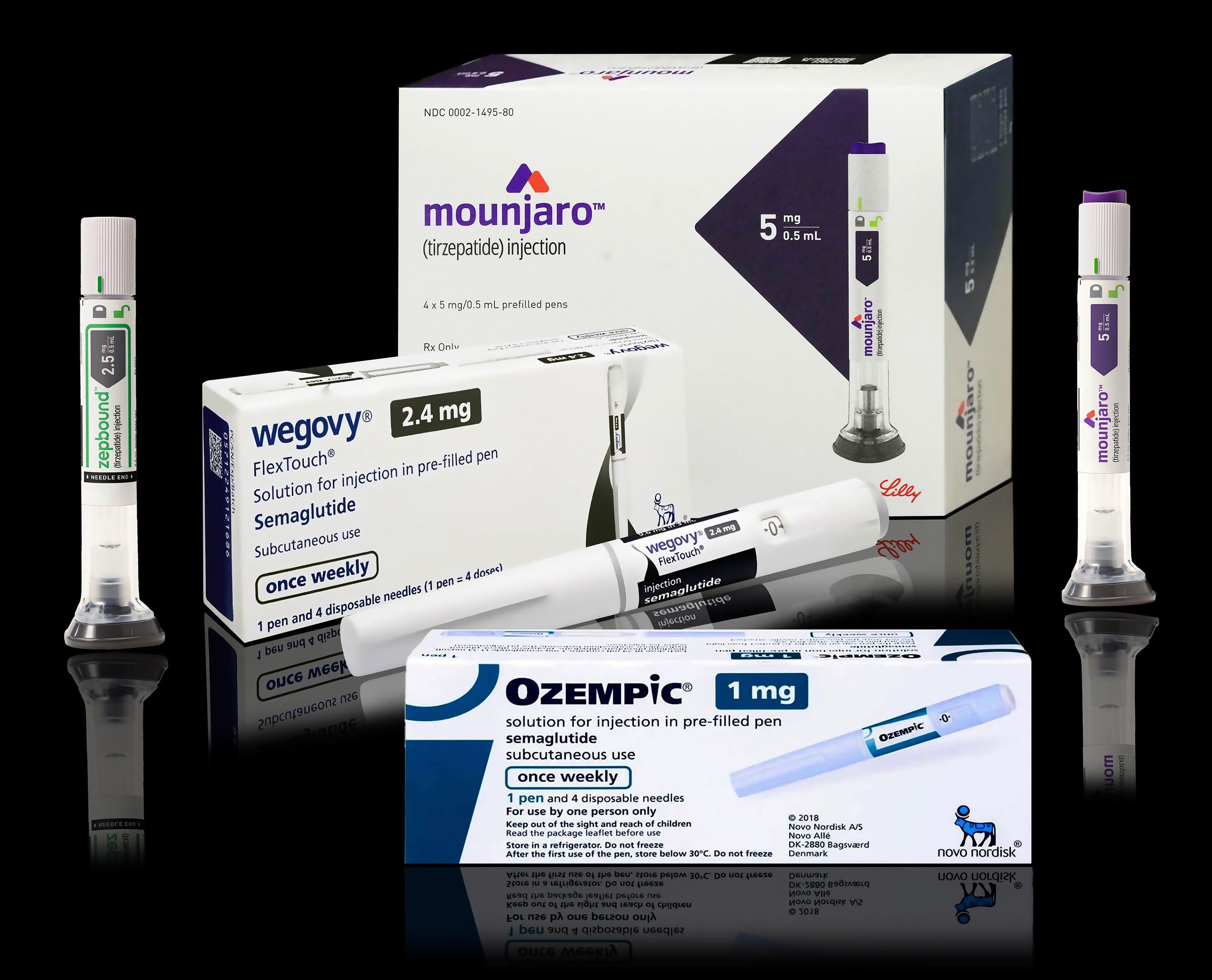


On behalf of Patients for Safer Nuclear Medicine, we object to the content of Cathy Sue Cutler’s column dismissing efforts to improve nuclear medicine safety and transparency.
On behalf of Patients for Safer Nuclear Medicine, we object to the content of Cathy Sue Cutler’s column dismissing efforts to improve nuclear medicine safety and transparency.

A physician researcher and author discusses the latest information on GLP-1 RA antiobesity medications.

As we prepare for a new Congress in January, it’s essential to ensure legislators and their staff fully understand the implications of nuclear medicine policy shifts on patient care and medical innovation.

Antitrust chief says the nation is at an inflection point to restore competition or pay more money for less choice and more aggravation.

At the Financial Times Global Pharma and Biotech Summit 2024, a panel discussed the potential of mRNA technology in developing cancer vaccines amid distrust from the public.

A panel at the Financial Times’ 2024 Global Pharma and Biotech Summit in London analyzed what the re-election of Trump could mean to the pharmaceutical industry.

Rep. Greg Murphy, MD, discusses PBMs and new blockbuster antiobesity drugs, and predicts election success for former president Donald Trump.

Nearly half of all drug-related supply chain issues resulted in drug shortages in the U.S. between 2017 and 2021.

The guideline offers new recommendations for the prescription of opioids for children and adolescents with symptoms of acute pain.

New global survey tallies levels of patient group involvement in research, care delivery and more.
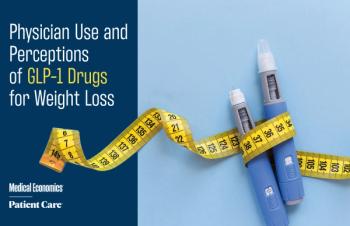
Doctors offer insights on the how they and their patients are using GLP-1RA medicines.
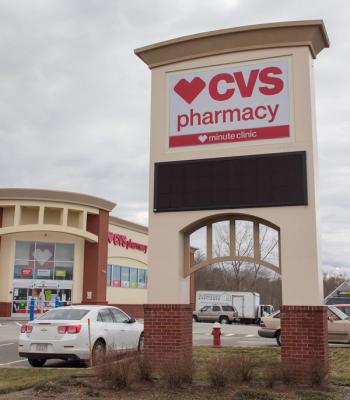
Stores are closing as nation’s largest drug store chain, large-scale competitors adapt to market conditions.

To better serve patients, physicians must understand the influence, tactics and goals of Big Pharma.

Public comment period opens; new model is based on current lists of large pharmacies and retailers.

Obesity is a complex disease that requires treatment both individualized and multifaceted.
Medicare’s restrictive coverage policies are denying patients with early Alzheimer’s disease access to novel treatments. And private payers are following suit.

Drug values topped $1.3 billion as Houston became ‘hot zone’ for commonly abused prescription drugs.

They pitch their running mates’ ‘concepts of a plan’ or pledge to protect the Affordable Care Act.
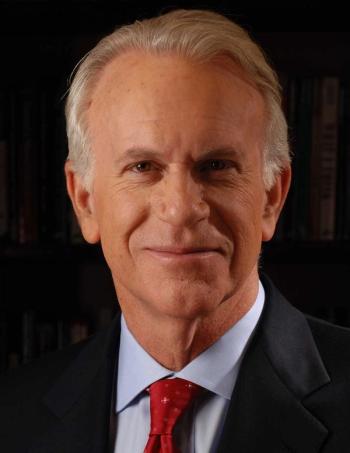
More delays is what the new wave of prescription drug affordability boards in 11 states are promising.
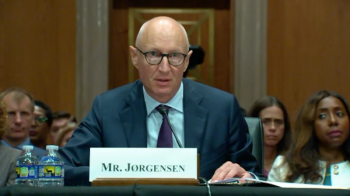
Senate HELP Committee grills Novo Nordisk CEO over prices of Ozempic, Wegovy. He says patients not getting needed medicines is ‘terrifying.’

Lawsuit demands retraction of report from July.

Feds say anticompetitive business practices shifted costs to vulnerable patients.

The pharmaceutical industry has increasingly taken aim at the program for growing costs, but is that accurate? American Hospital Association analysts offer this perspective.

By improving health outcomes and avoiding costly obesity-related complications, GLP-1s can significantly reduce the overall cost of health care.

Undermining access to biologics is not the answer.