Leaders of the Illinois College of Osteopathic Medicine at The Chicago School say students have to learn the health care system as it works today while training to change it.
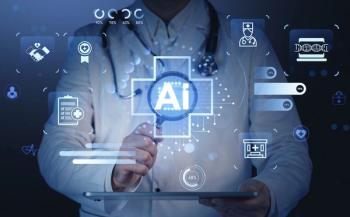
AI is creeping into the diagnostic area of medicine. Will future doctors have the skills to know when it's wrong?
As AI takes on a growing role in clinical decision-making, much of the conversation has focused on what the technology can do. Roman Giverts, CEO and founder of Vumedi, argues the more pressing question is what physicians might lose. In medicine, he says, over-reliance on AI isn't an abstract business risk. It's a matter of patient lives.
Giverts contends that clinical judgment isn't learned from a machine. It's built through peer-to-peer learning, as physicians watch experienced colleagues work through real-world cases. That foundation is what lets doctors recognize when an algorithm gets it wrong. Without it, AI can steer care in the wrong direction without anyone noticing.
In this interview, Giverts explains why the future of medicine depends less on teaching AI to replace doctors and more on making sure physicians never lose the ability to challenge it.