An AI scribe's price tag is only part of its cost. A three-part framework helps physicians and practice managers measure return on investment, clinician well-being and the time it really takes to get the tool working.
Connected devices can stay in a practice for a decade or more. Here are the security, software-support and connectivity questions physicians should put to manufacturers before anything goes on the network.
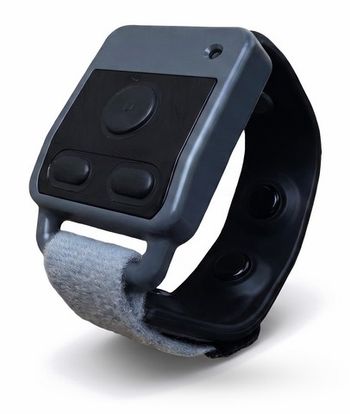
Connected medical devices have become an essential part of modern healthcare. From patient monitors and imaging systems to wearable cardiac monitors and diagnostic equipment, these devices can give physicians better information, improve patient care and make clinical workflows more efficient.
But every connected device brought into a medical practice also introduces another potential entry point into the network.
That makes cybersecurity more than an issue for hospital IT departments or the engineers who build medical equipment. It is increasingly something physicians and practice leaders should consider when evaluating which devices to purchase and
Doctors do not need to become cybersecurity experts. But they should know what questions to ask before connecting a new device to the systems that contain sensitive patient and clinical information.
Clinical performance, reliability and cost will always be critical considerations when purchasing medical equipment. Cybersecurity now belongs on that list as well.
One of the first questions to ask a manufacturer is simple: How will this device be supported after it is installed?
Connected medical devices can remain in service for many years. During that time, new software vulnerabilities will inevitably be discovered, operating systems will need updates, security certificates will expire and cyber threats will continue to evolve.
A device that is secure when purchased may not remain secure without ongoing support.
Physicians and procurement teams should therefore ask manufacturers:
The goal is not for physicians to evaluate the technical architecture themselves. It is to determine whether the manufacturer has considered cybersecurity throughout the expected life of the product rather than treating security as something addressed only when the device ships.
The second consideration is what happens once that device enters the practice.
Today's medical devices rarely operate in isolation. They may communicate with electronic health record systems, cloud platforms, mobile applications, remote monitoring services or other clinical systems. Some receive software updates remotely, while others continuously exchange patient or operational data.
Every connection creates another relationship that needs to be understood and protected.
A vulnerability does not necessarily have to interfere with the device's clinical function to create risk.
That is why physicians should understand not only what a device does, but also what it connects to.
Before deployment, practices should ask manufacturers what network and internet connectivity the device requires, what information it transmits, where that information goes and how communications are protected. They should also understand whether the device depends on cloud services or third-party software that could introduce additional security considerations.
This is particularly important for smaller medical practices that may not have large cybersecurity or IT teams dedicated to evaluating every new piece of technology.
The manufacturer should be able to help make those risks understandable.
Changing cybersecurity regulation adds another dimension to these purchasing decisions.
One important example is the European Union's Cyber Resilience Act. Medical devices themselves are exempt from the act because they are already covered by separate sector-specific regulatory frameworks. But that does not mean the broader technology environment surrounding a medical device is necessarily outside the act's reach.
Software and other connected digital products that interact with or support a medical device may fall within the act's scope, depending on how they are classified and used.
For physicians, the important takeaway is not the regulatory fine print. It is that security increasingly needs to be considered across the entire ecosystem supporting a connected medical device, not simply the physical equipment sitting in an exam room.
That creates another useful question for manufacturers: How are you addressing cybersecurity and regulatory requirements across the device, its software and the supporting systems it relies on?
A manufacturer that can clearly explain that distinction is demonstrating that it understands the broader environment into which its product will be deployed.
Ultimately, physicians should expect medical technology vendors to demonstrate that cybersecurity continues after a product is sold.
That requires manufacturers to build products on technology that can be securely maintained throughout long operational life cycles. Devices need mechanisms for trusted software updates, secure connectivity, vulnerability management and ongoing monitoring without disrupting the clinical workflows physicians and patients depend on.
For physicians, the underlying technology may largely remain invisible. What matters is the outcome: a manufacturer should be able to explain how its device will remain supported and secure after it enters the practice.
The medical device purchasing conversation is changing.
Doctors will always need to ask whether a device performs its clinical function effectively, reliably and at an appropriate cost. But with more medical equipment connected to networks, cloud platforms and other healthcare systems, another question has become just as important: What happens after I connect this device?
A connected medical device can remain in a practice for a decade or longer. During that time, technology will change, vulnerabilities will emerge and cybersecurity requirements will evolve.
Physicians do not need to know how to engineer those protections themselves. They do need to know whether the company selling them the device has a credible plan to manage them.
Asking those questions before a device enters the office can help protect not only the equipment itself, but also the systems, patient data and clinical operations surrounding it.
Bob Blumenscheid is senior product marketing manager at Digi International.